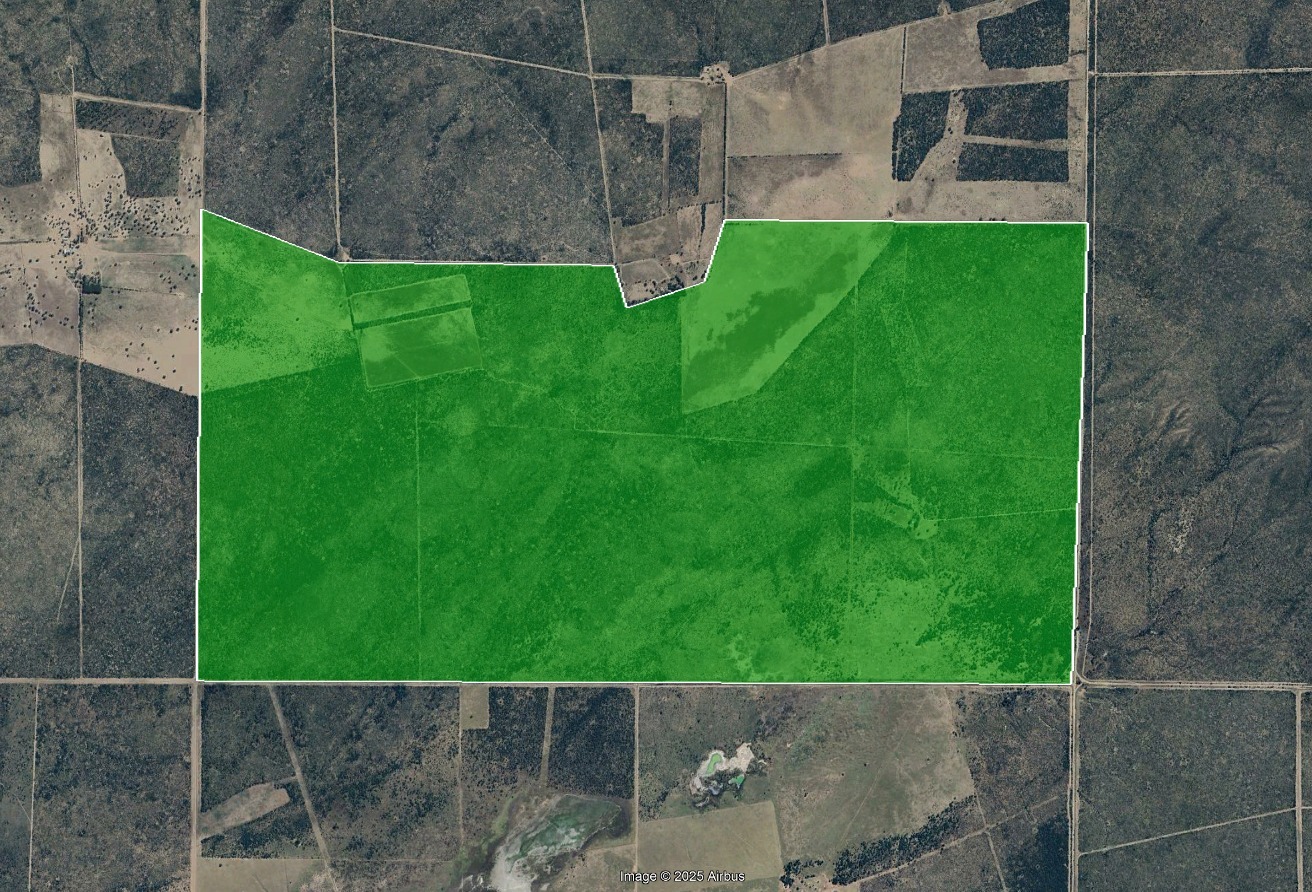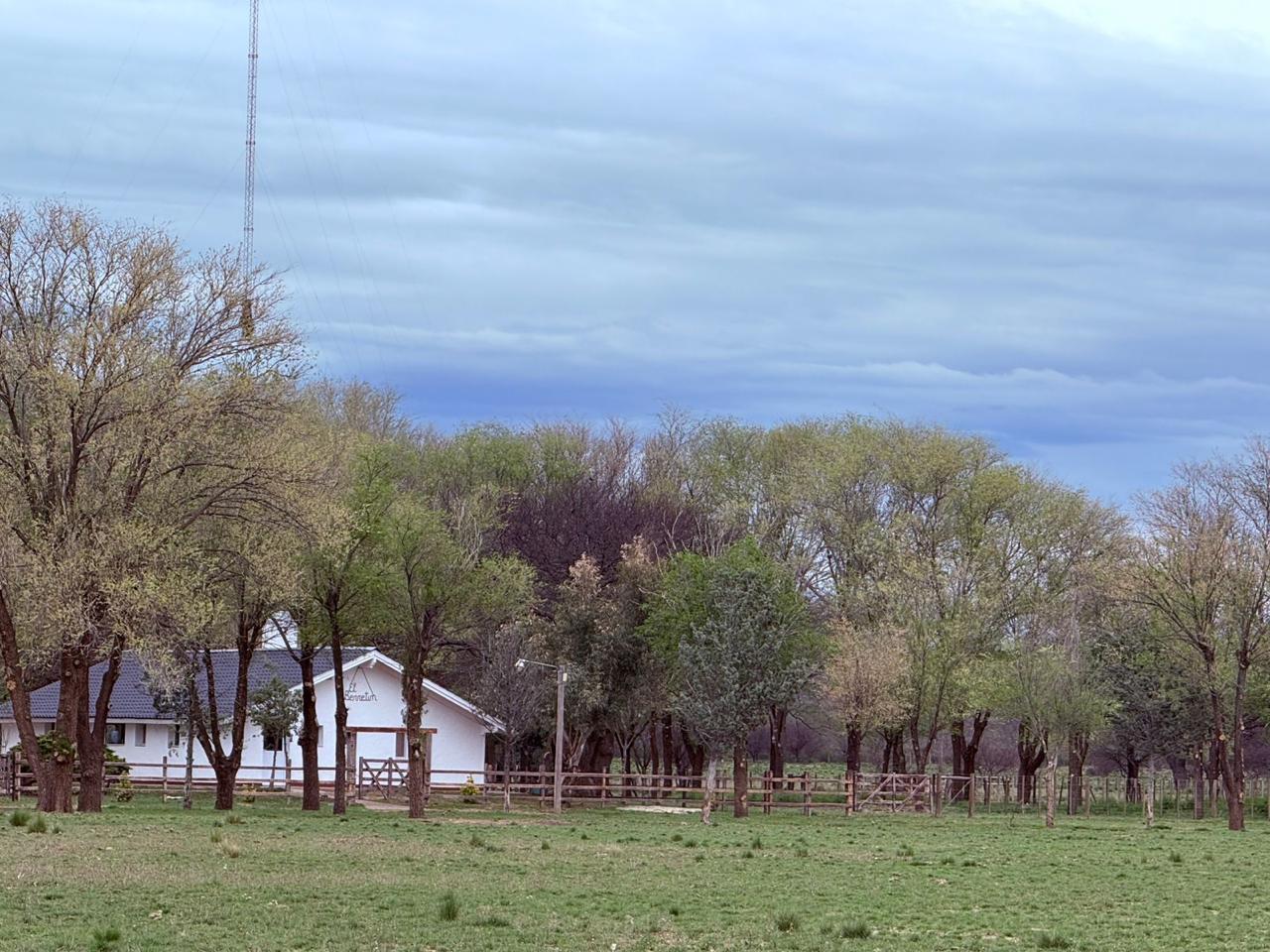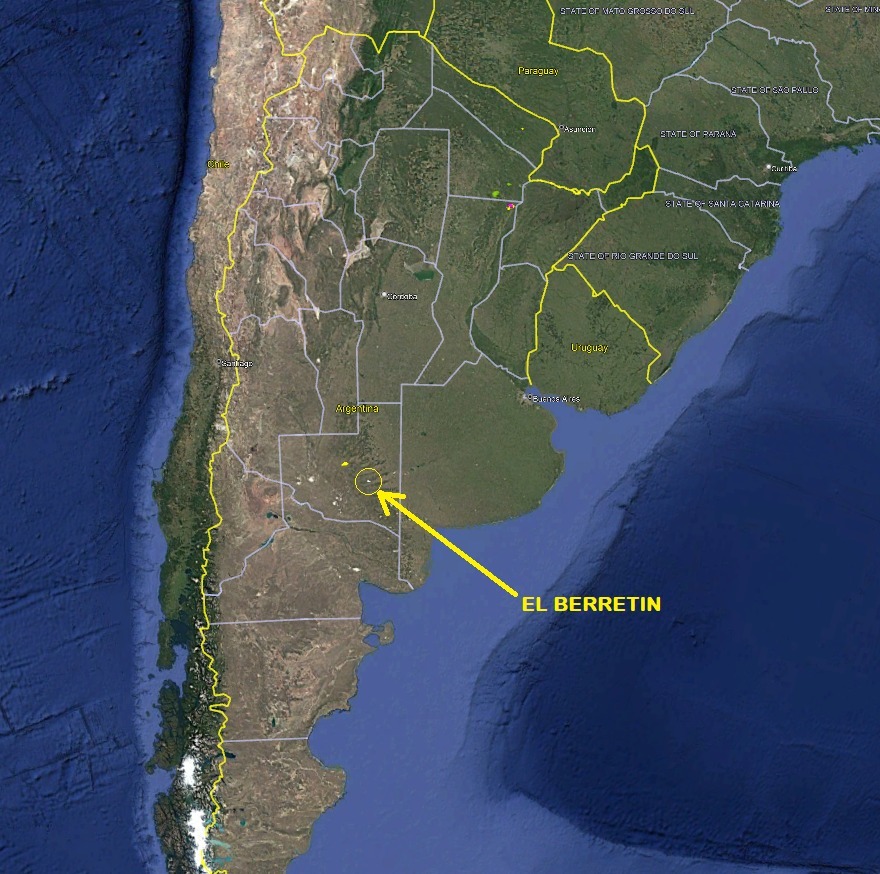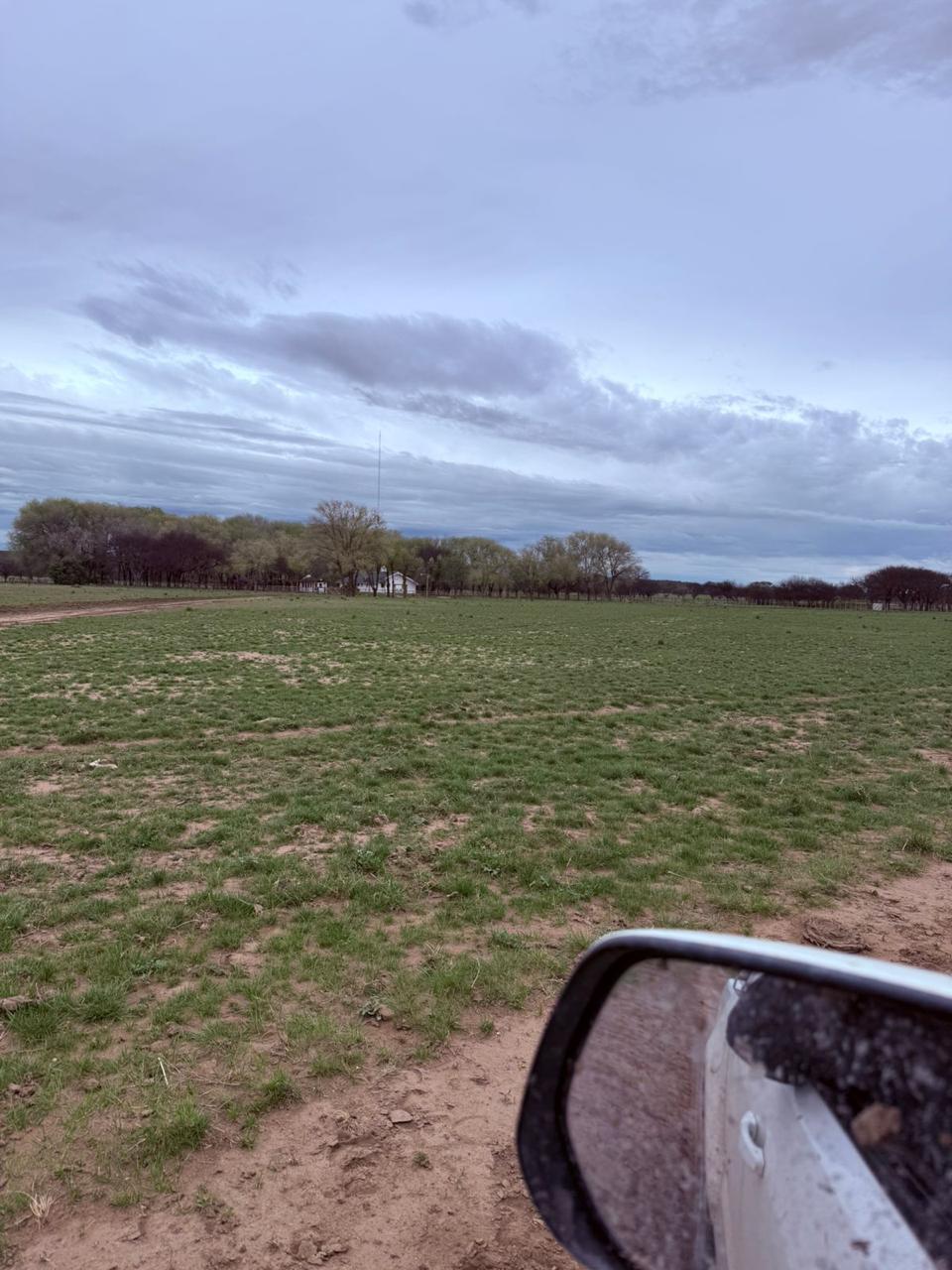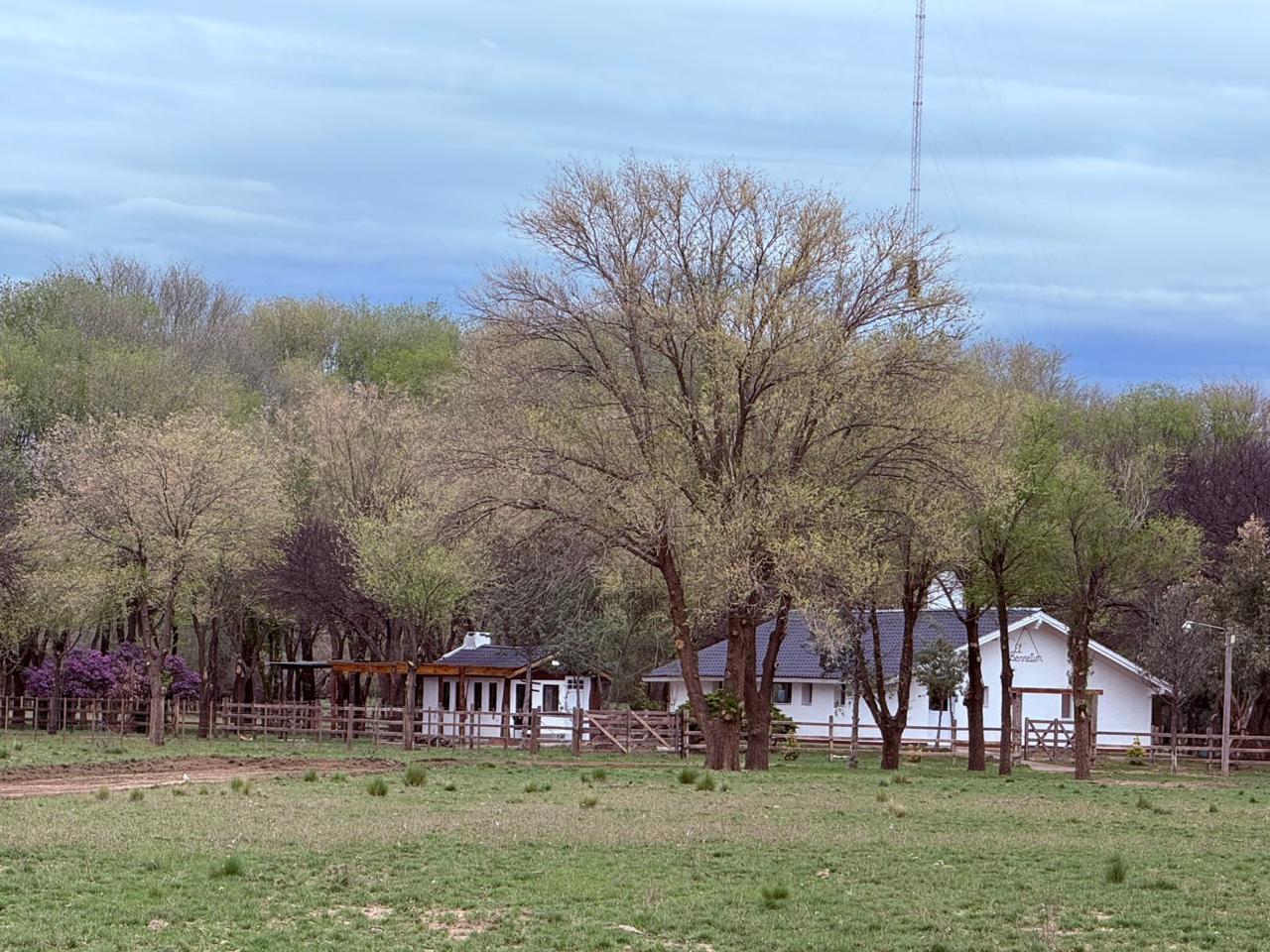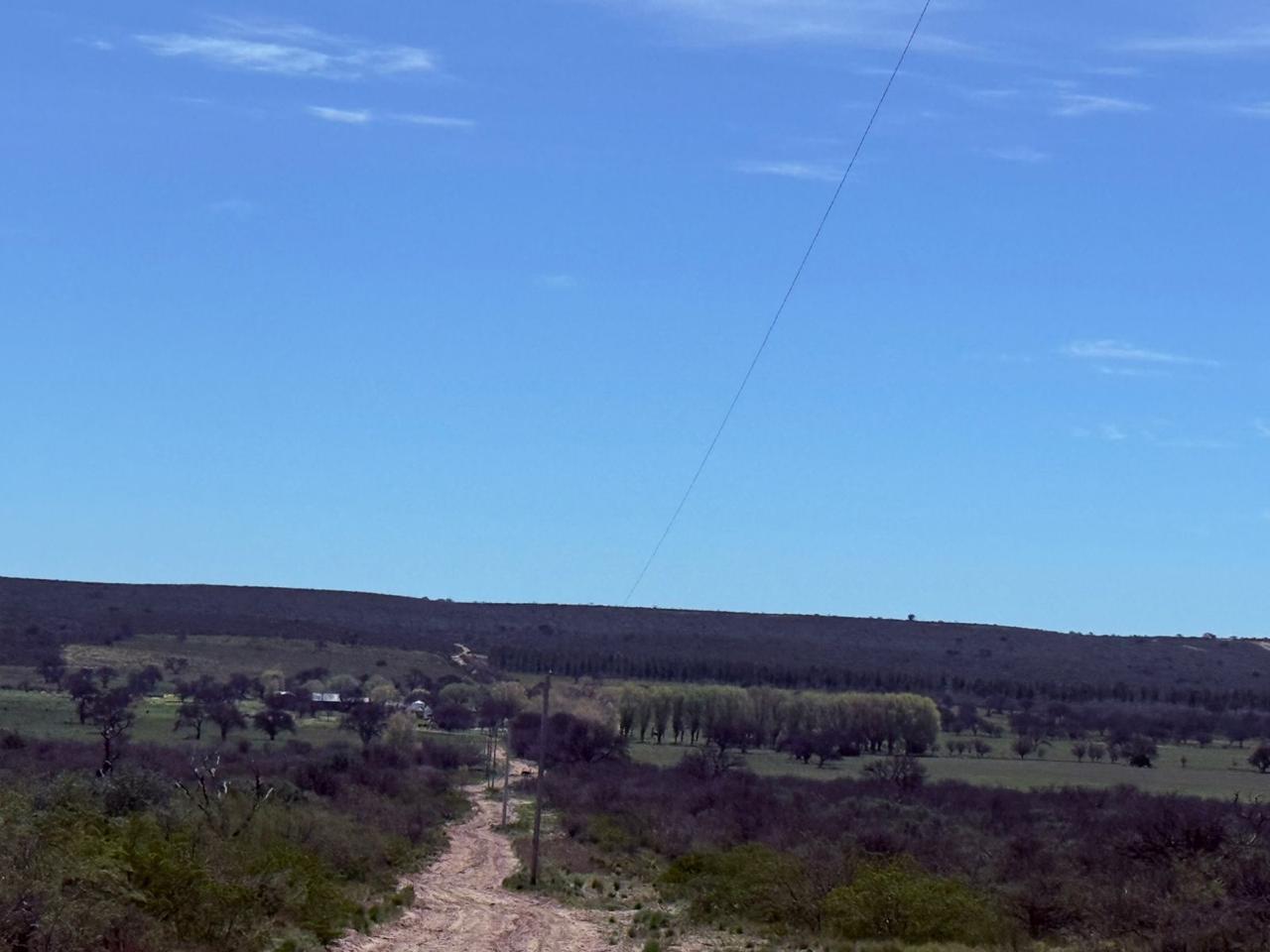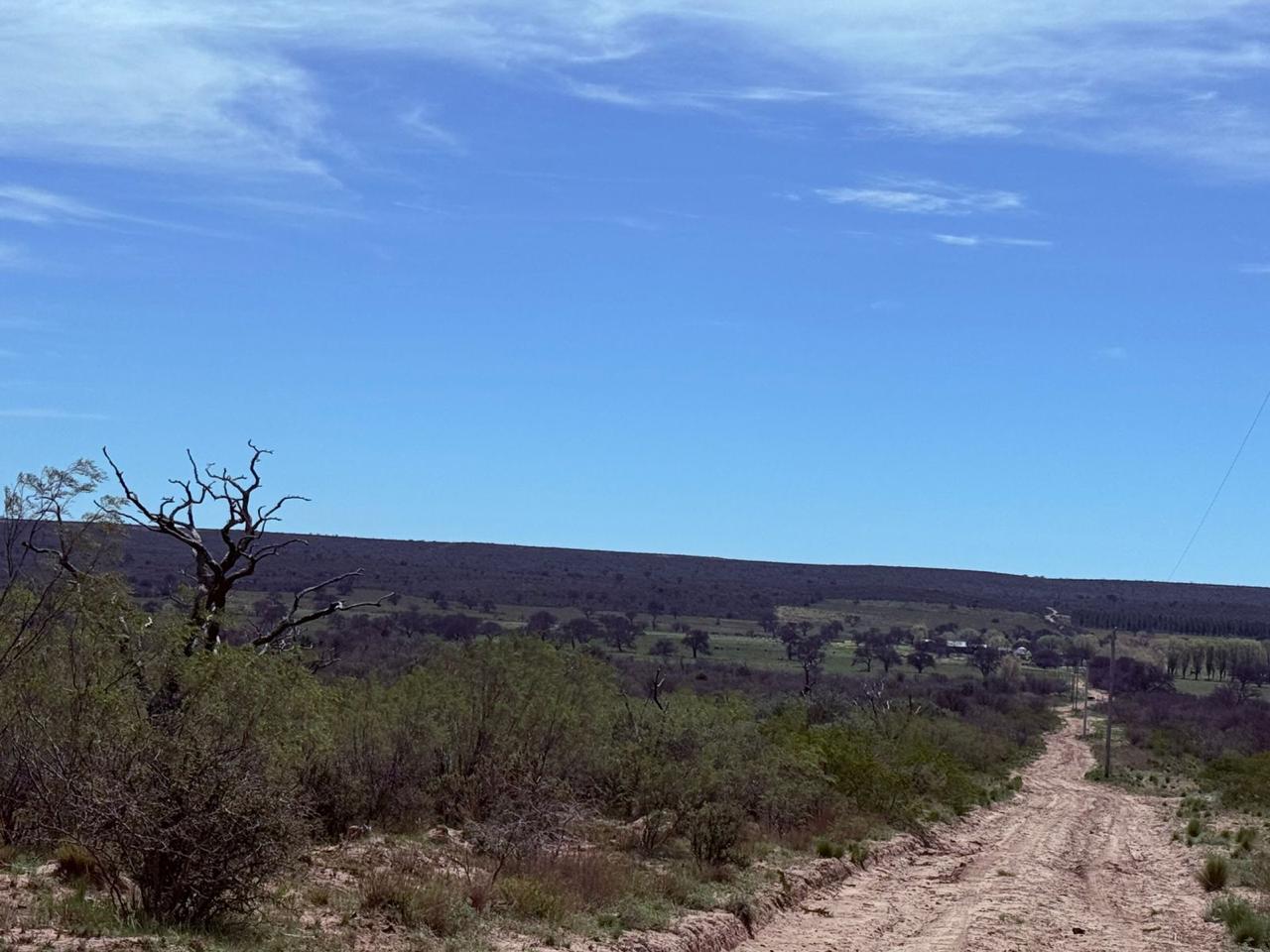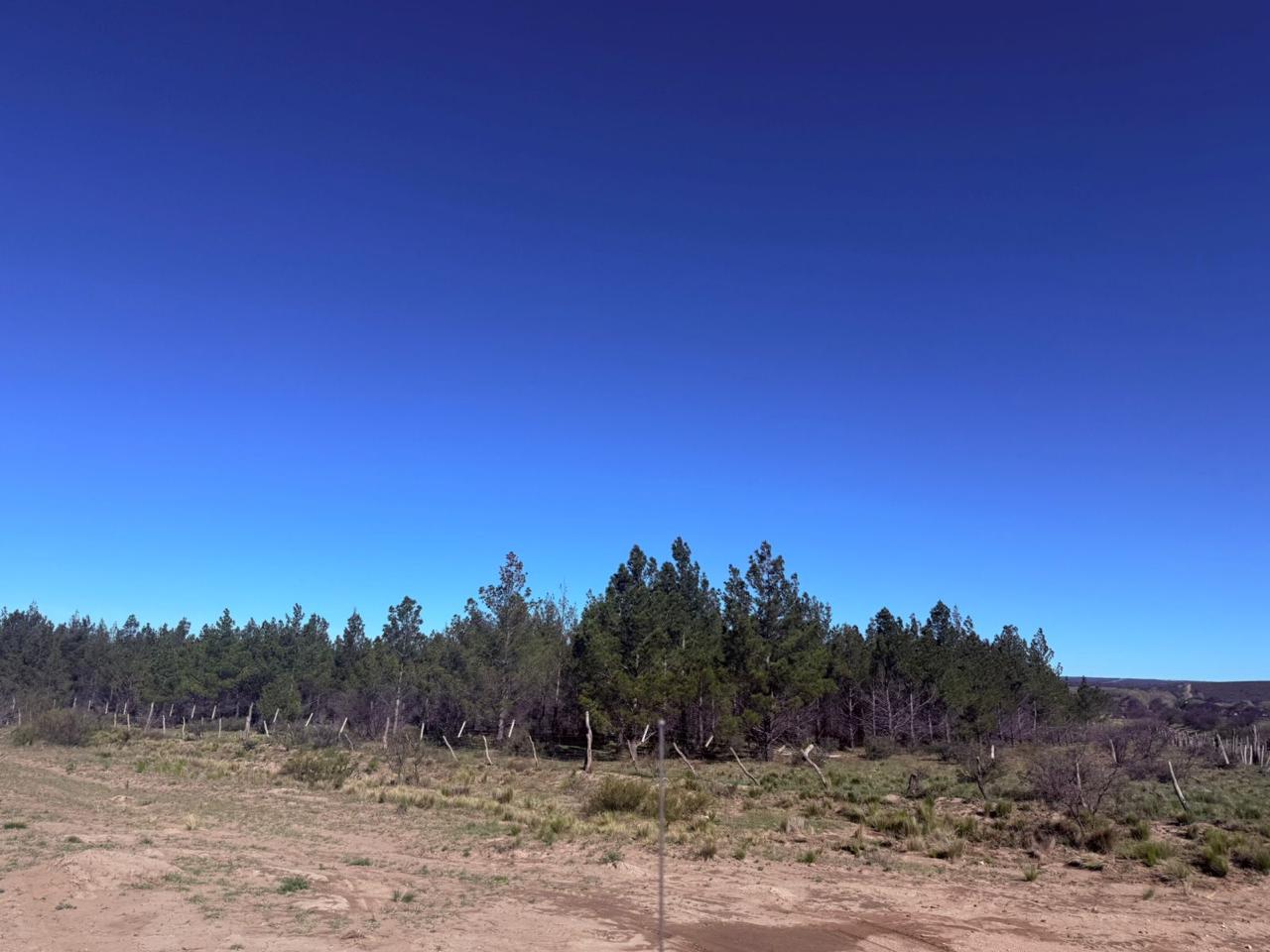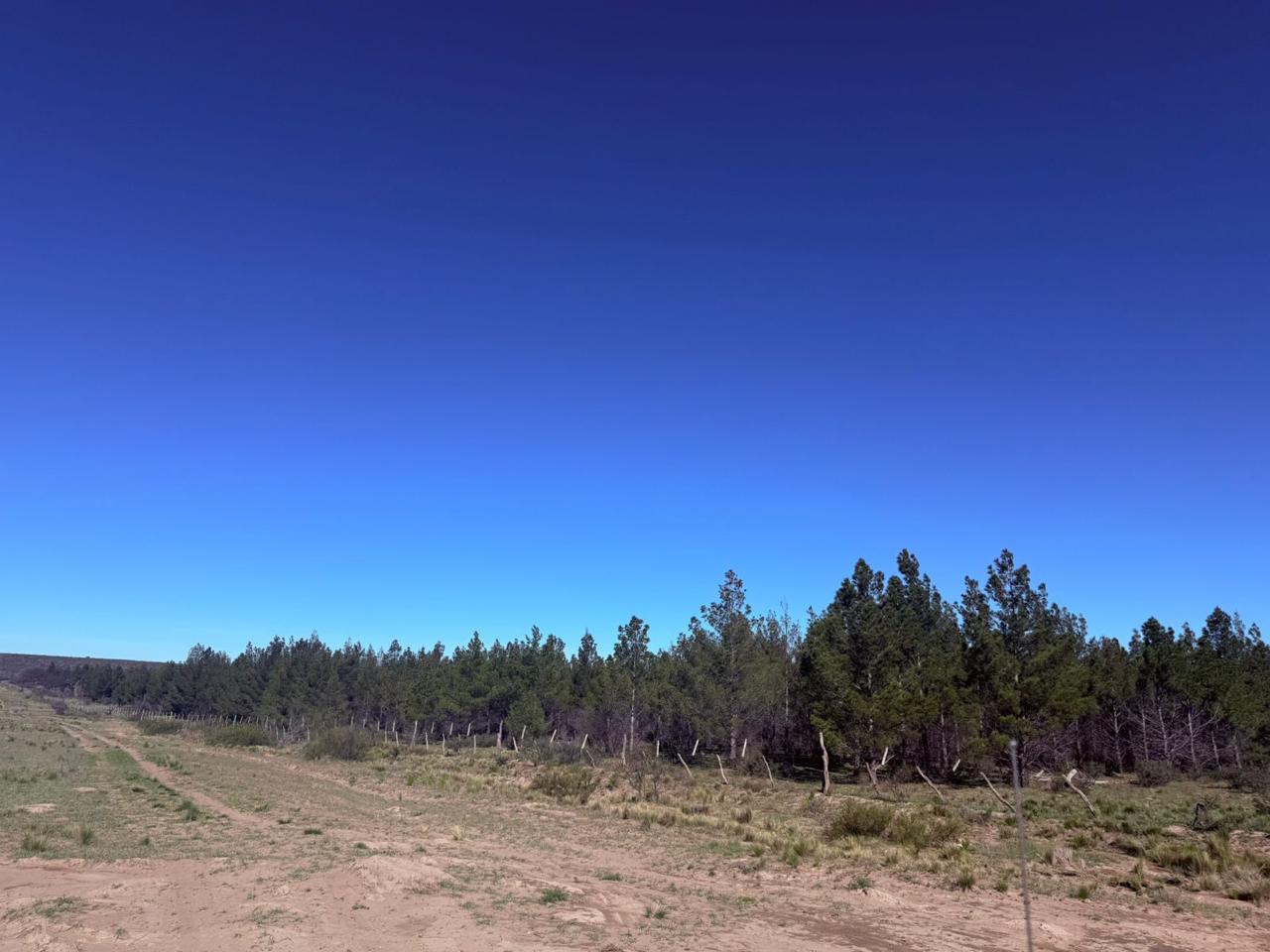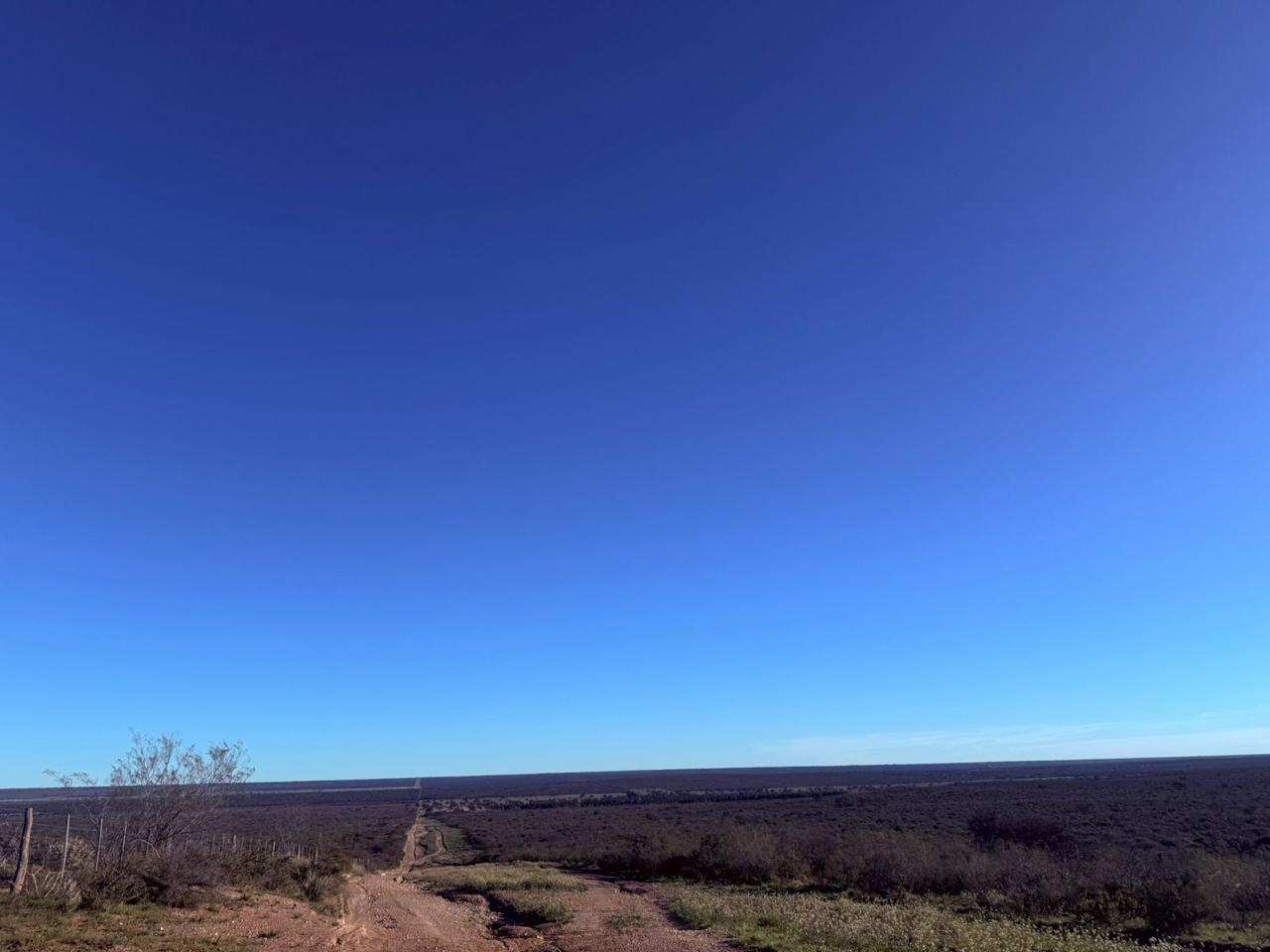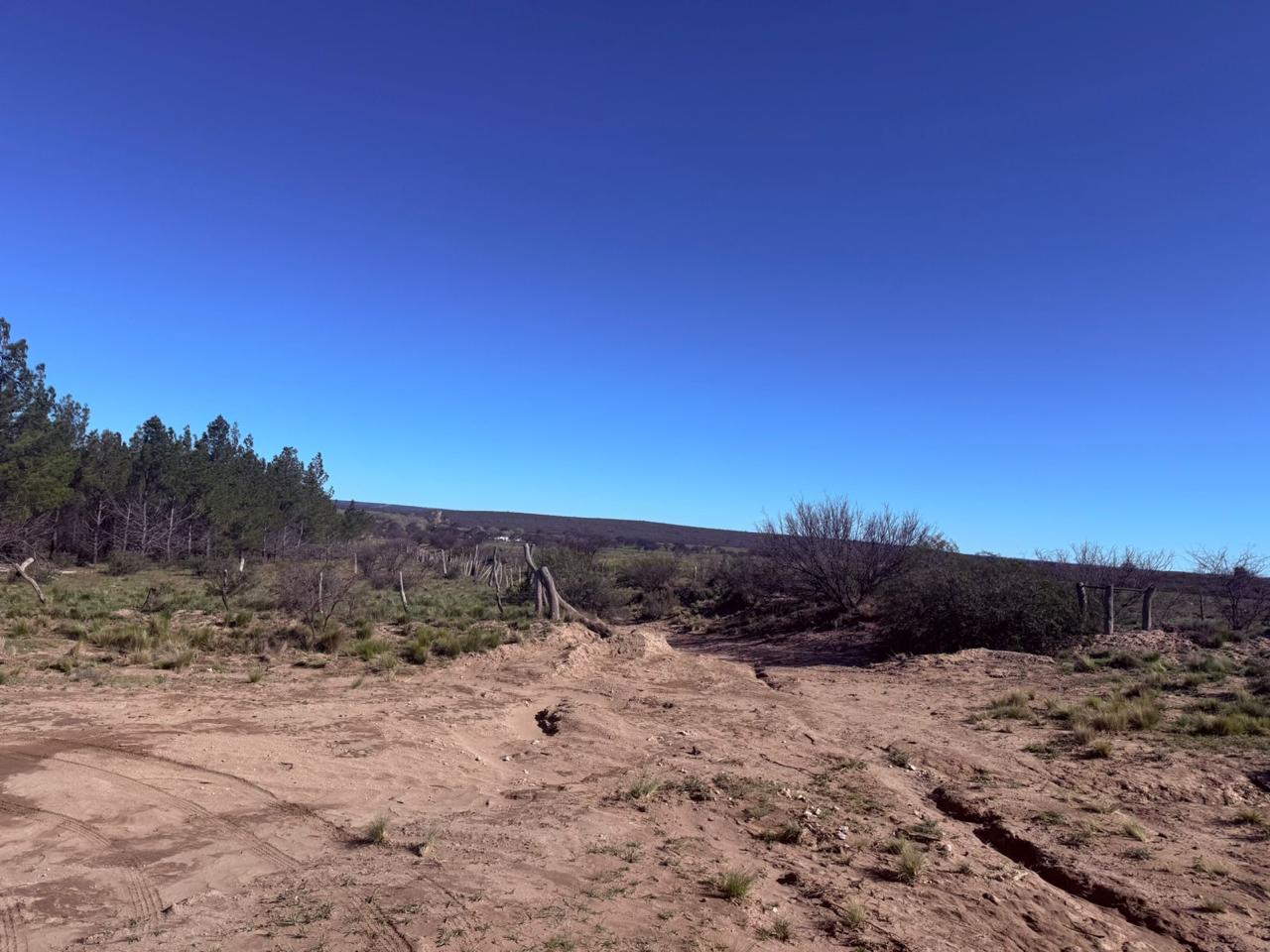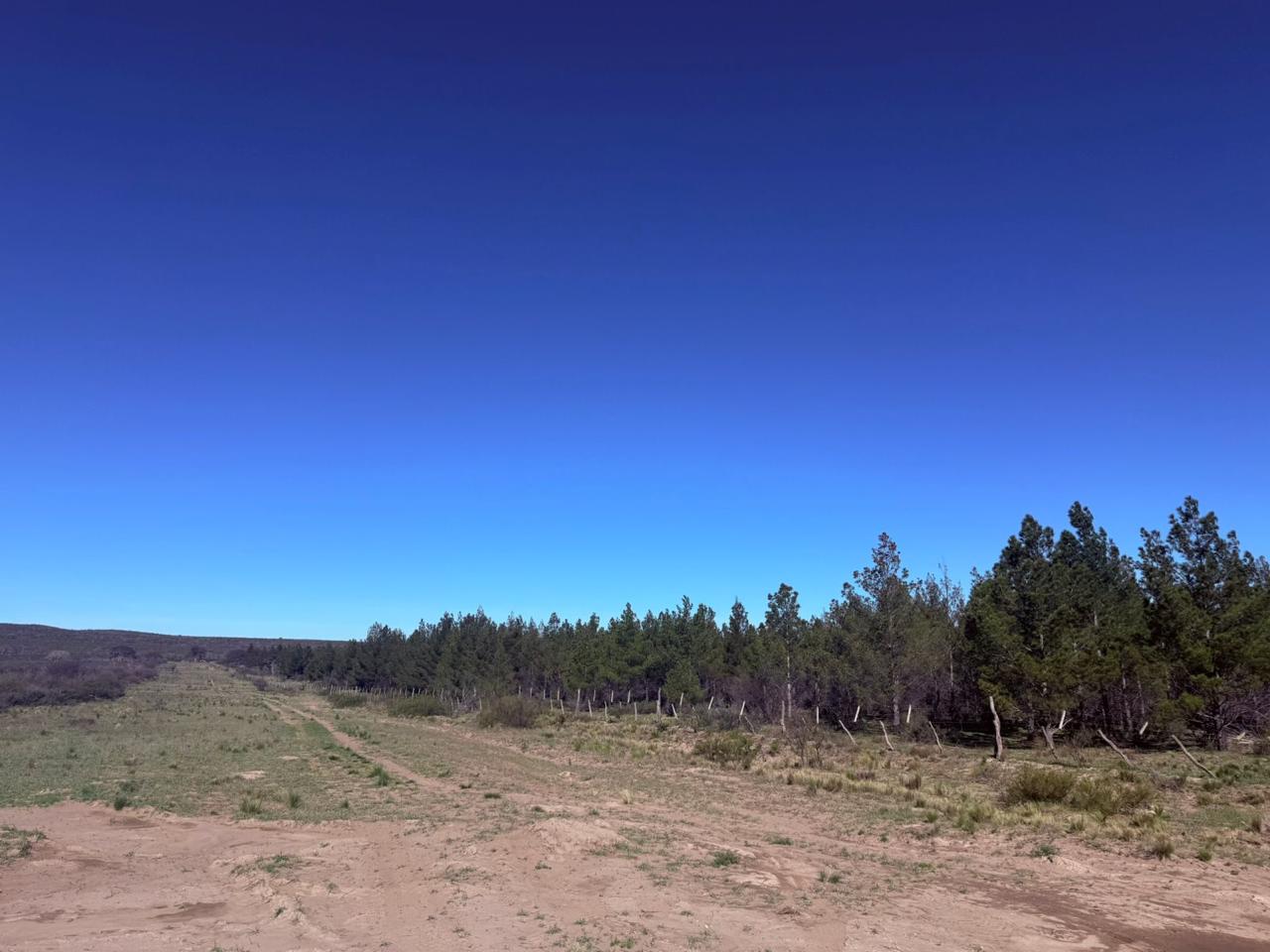
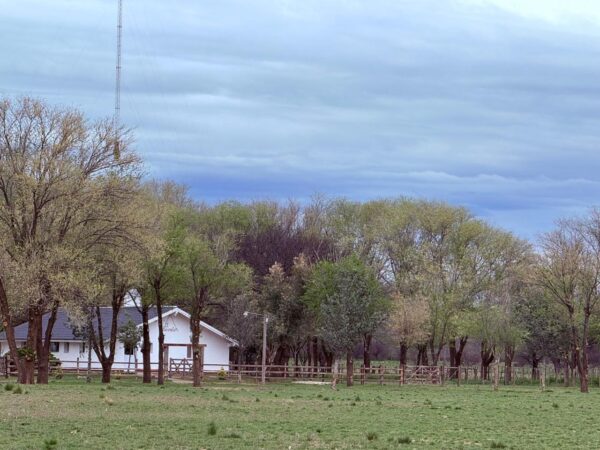
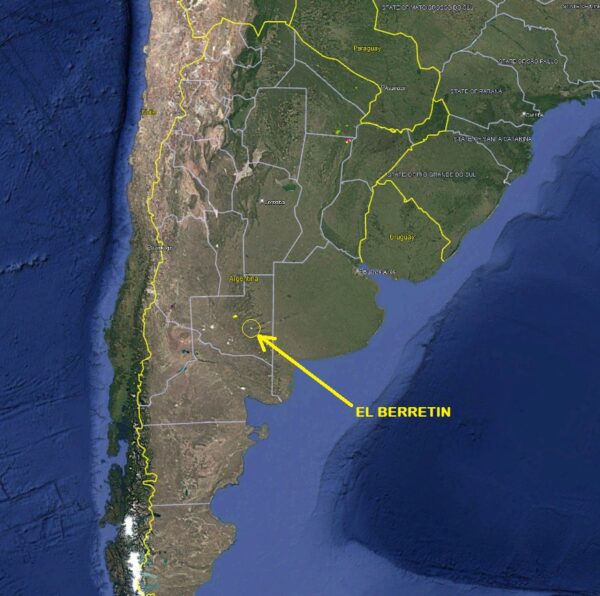

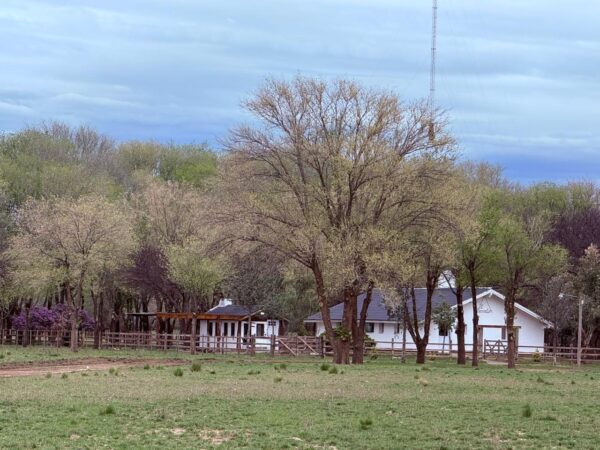
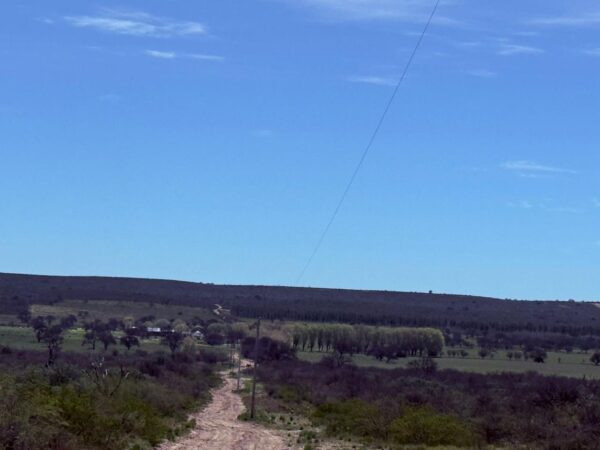
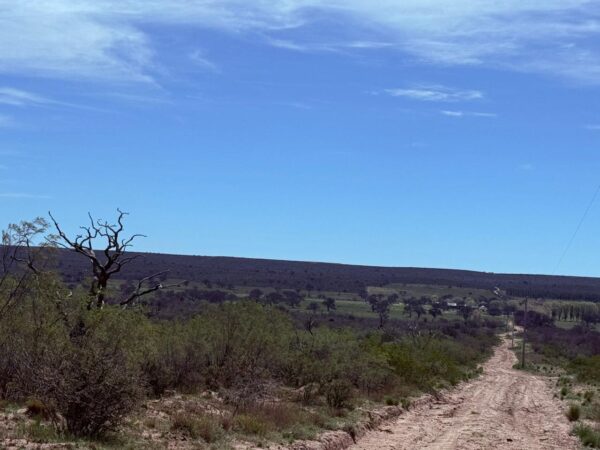
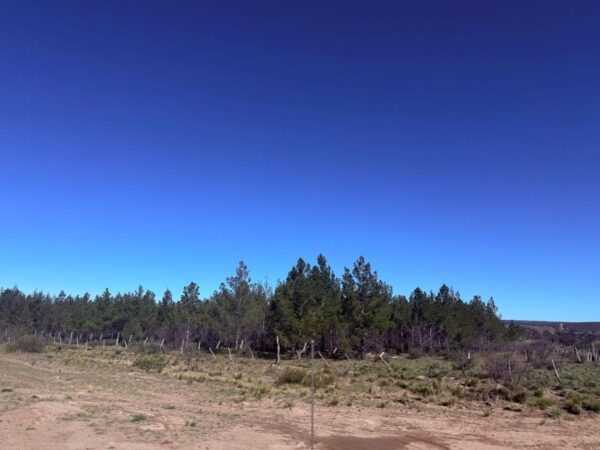

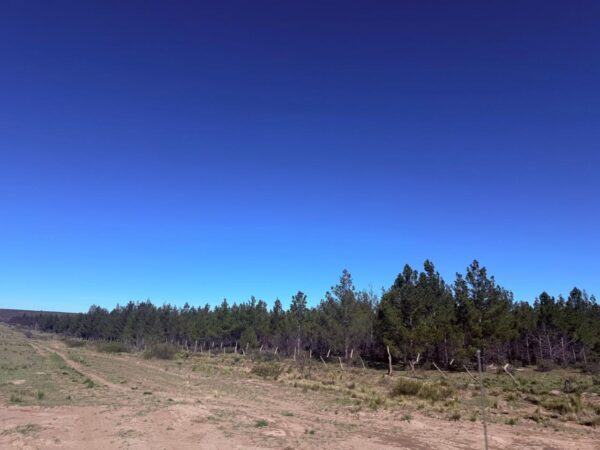
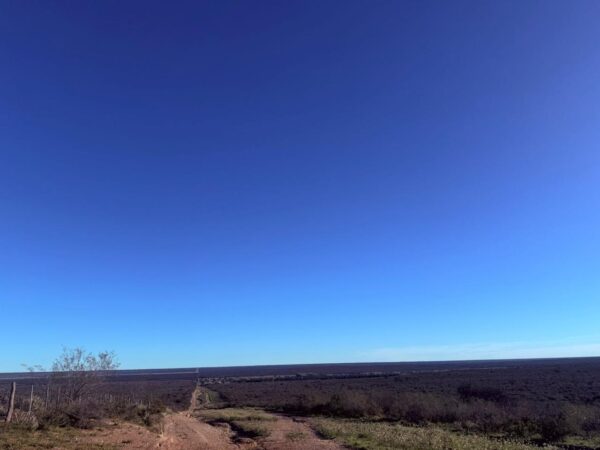
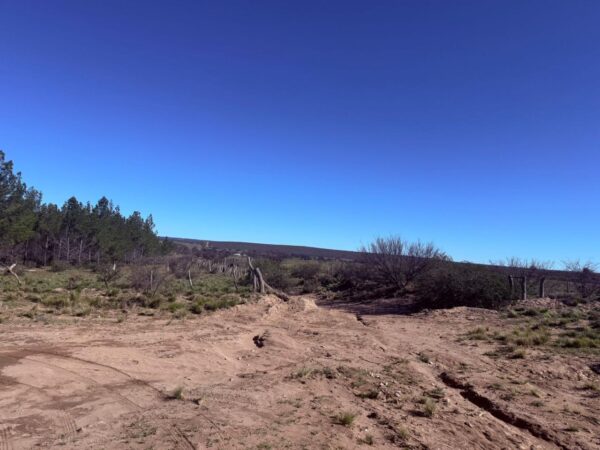
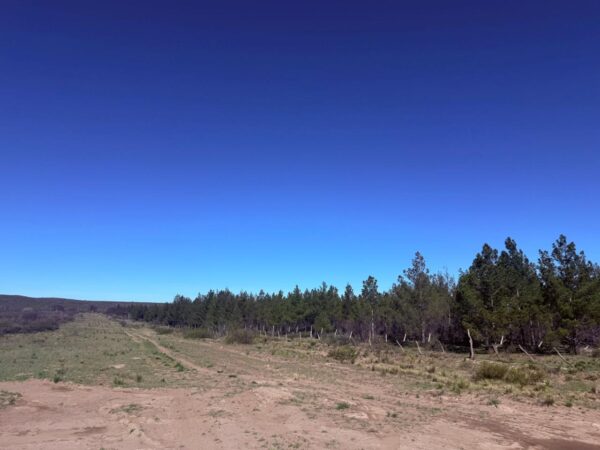



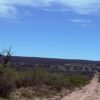


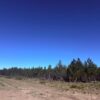

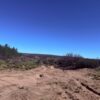

La Pampa is part of the vast Pampas and Espinal ecoregions, characterized by temperate grasslands, shrublands, and patches of native woodlands. These ecosystems have immense potential for carbon storage, particularly in their deep, fertile soils and resilient native vegetation. However, decades of land conversion for intensive agriculture and livestock production have led to significant losses in biodiversity, soil organic matter, and water balance. Integrating ecosystem protection and restoration into carbon projects ensures that emission reductions are not only measurable but also accompanied by broader ecological and social benefits, such as improved soil health, enhanced biodiversity, and increased climate resilience for local communities.
Restoration initiatives in La Pampa—such as reestablishing native grasslands, preventing overgrazing, and regenerating caldén forests—can significantly enhance the region’s carbon sequestration capacity while restoring the natural functions of the landscape. Protecting remnants of native vegetation and implementing sustainable land management practices will also help prevent desertification, a growing concern under changing climate conditions.