


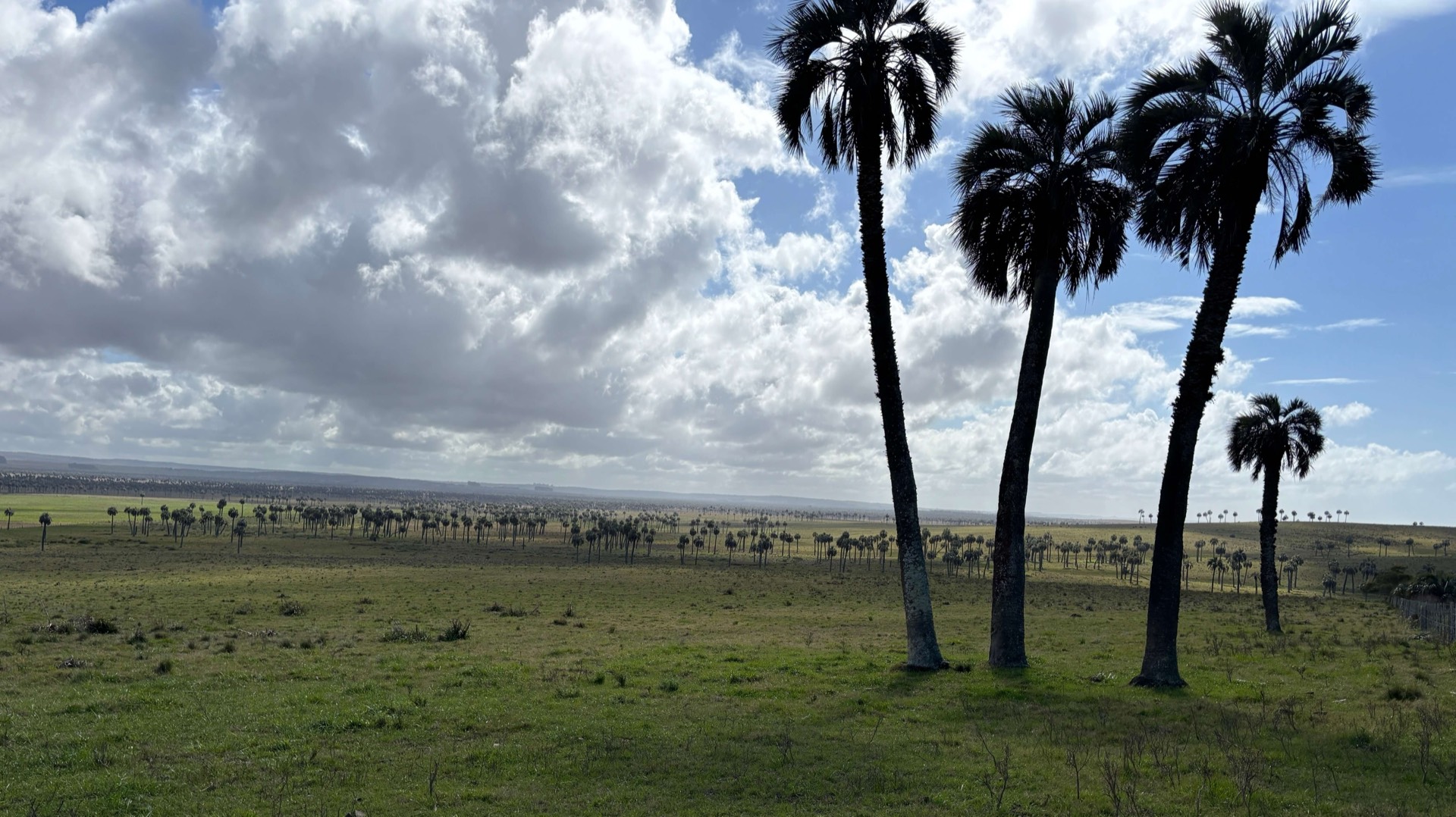

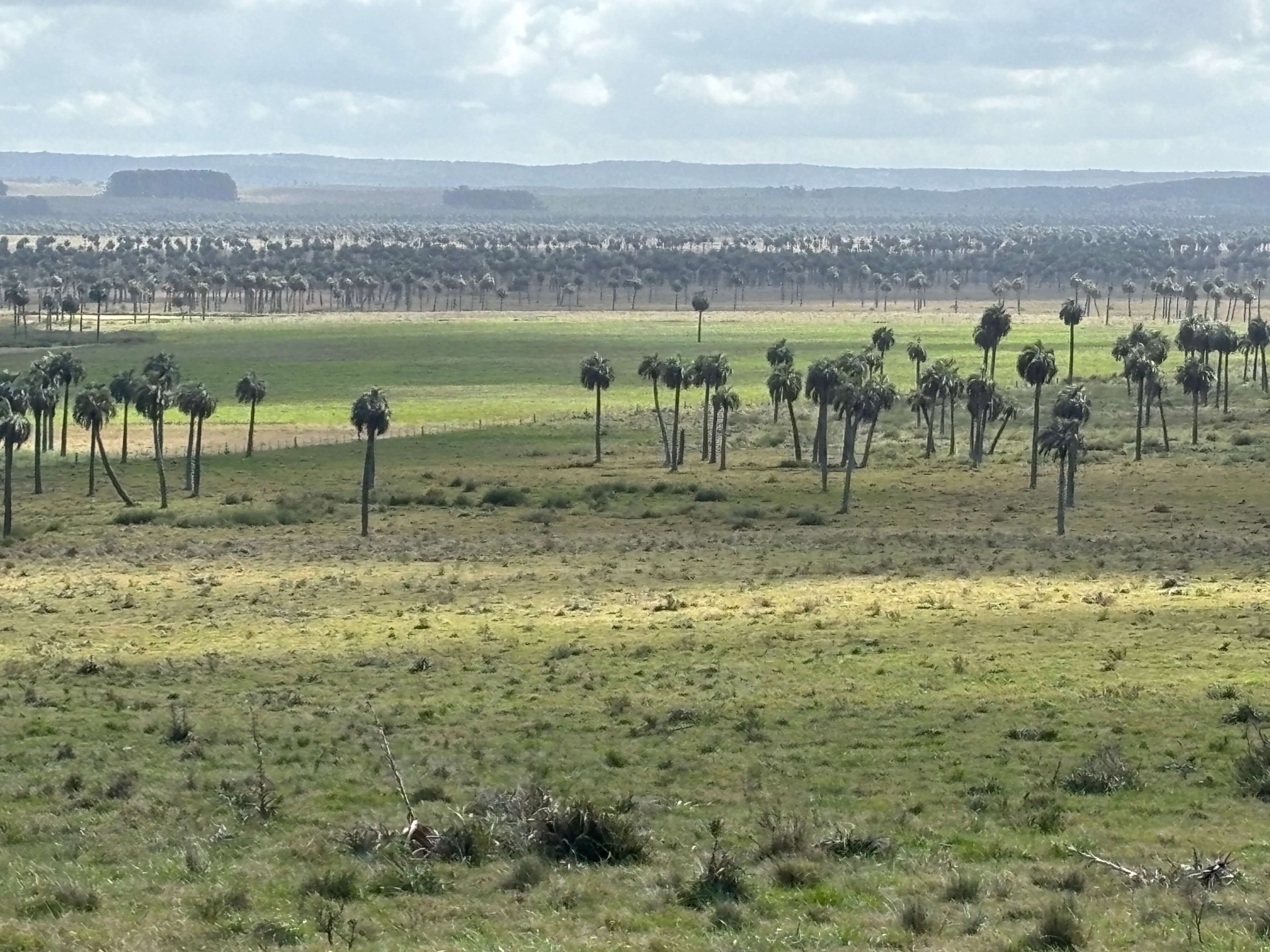
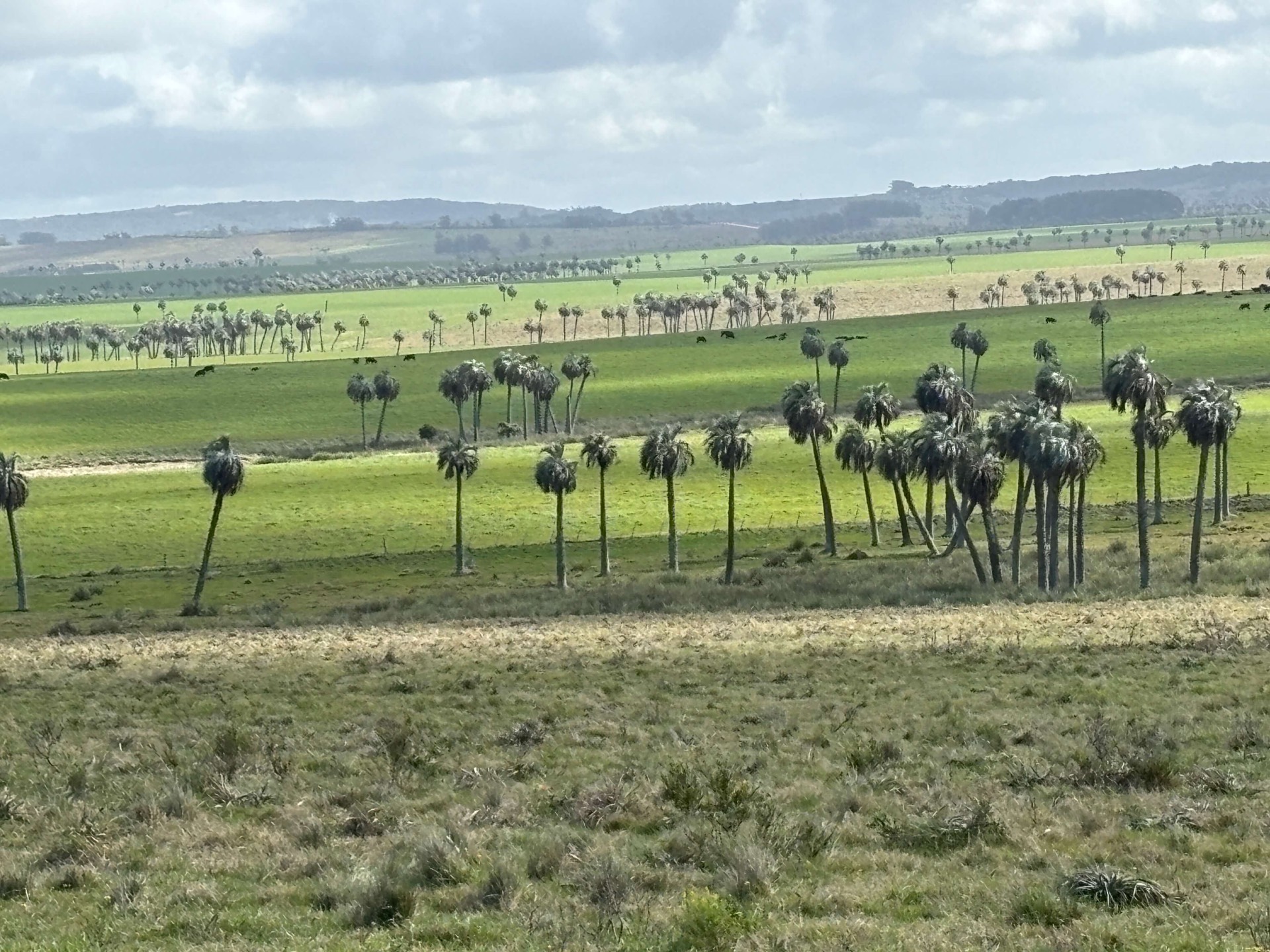
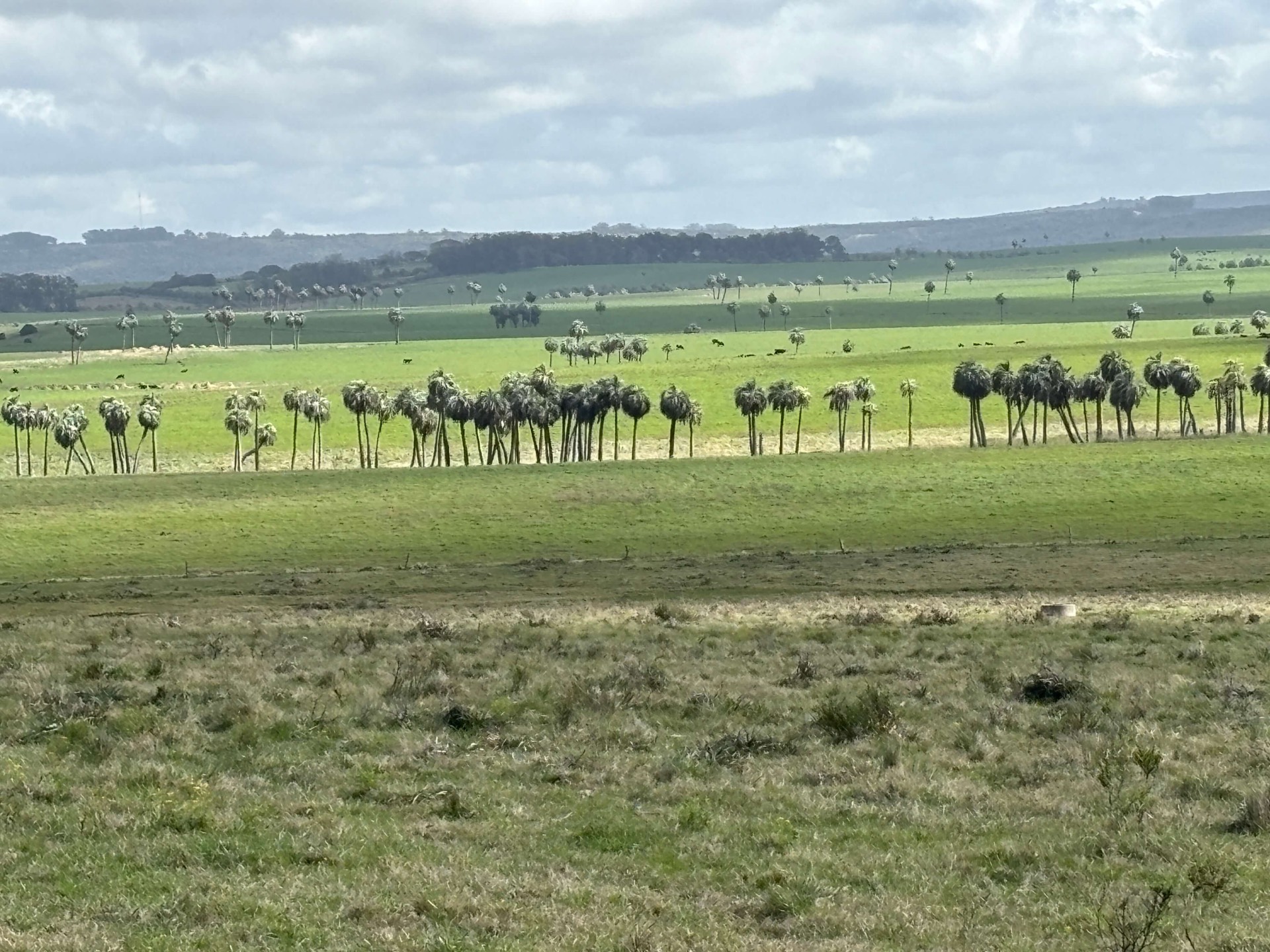
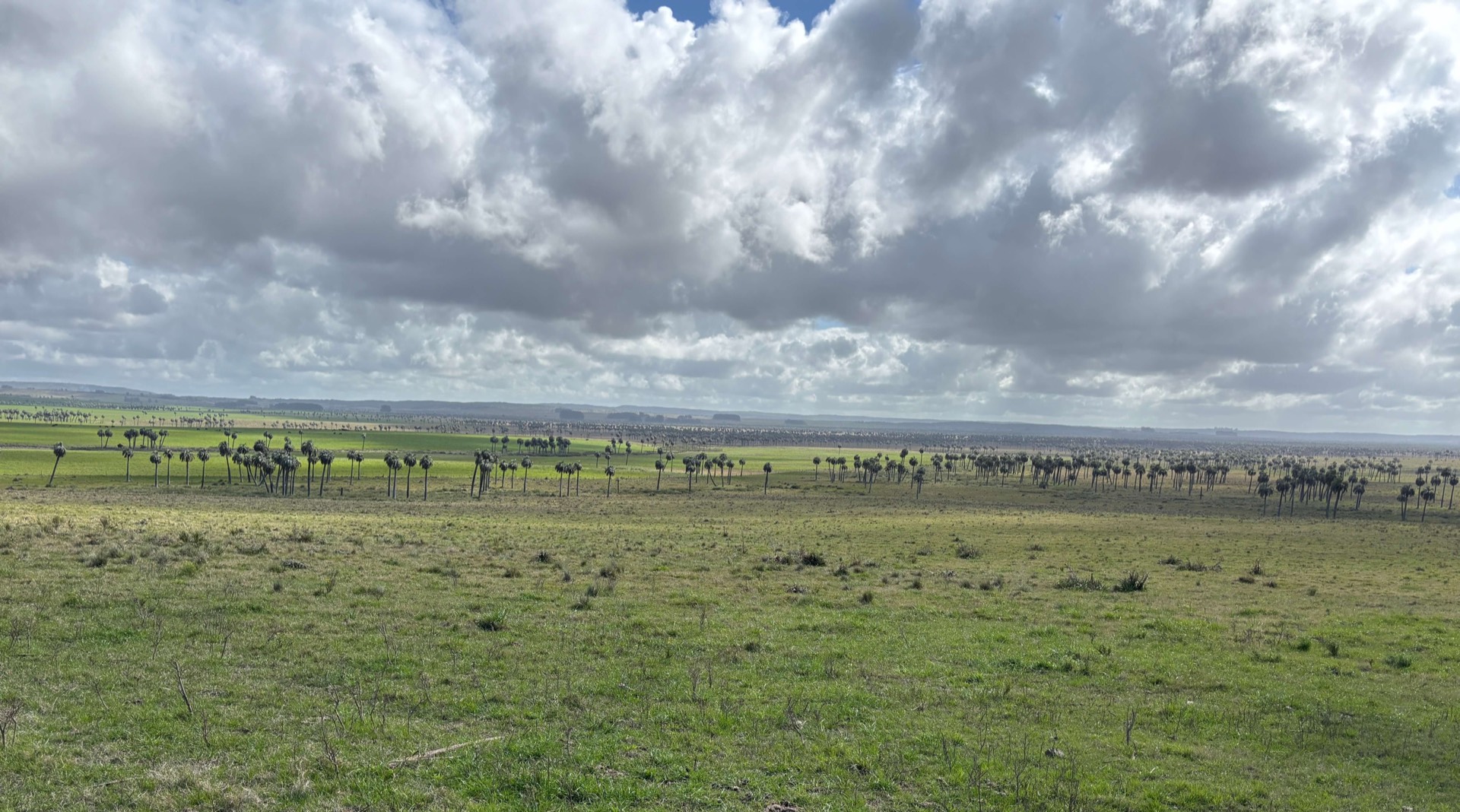
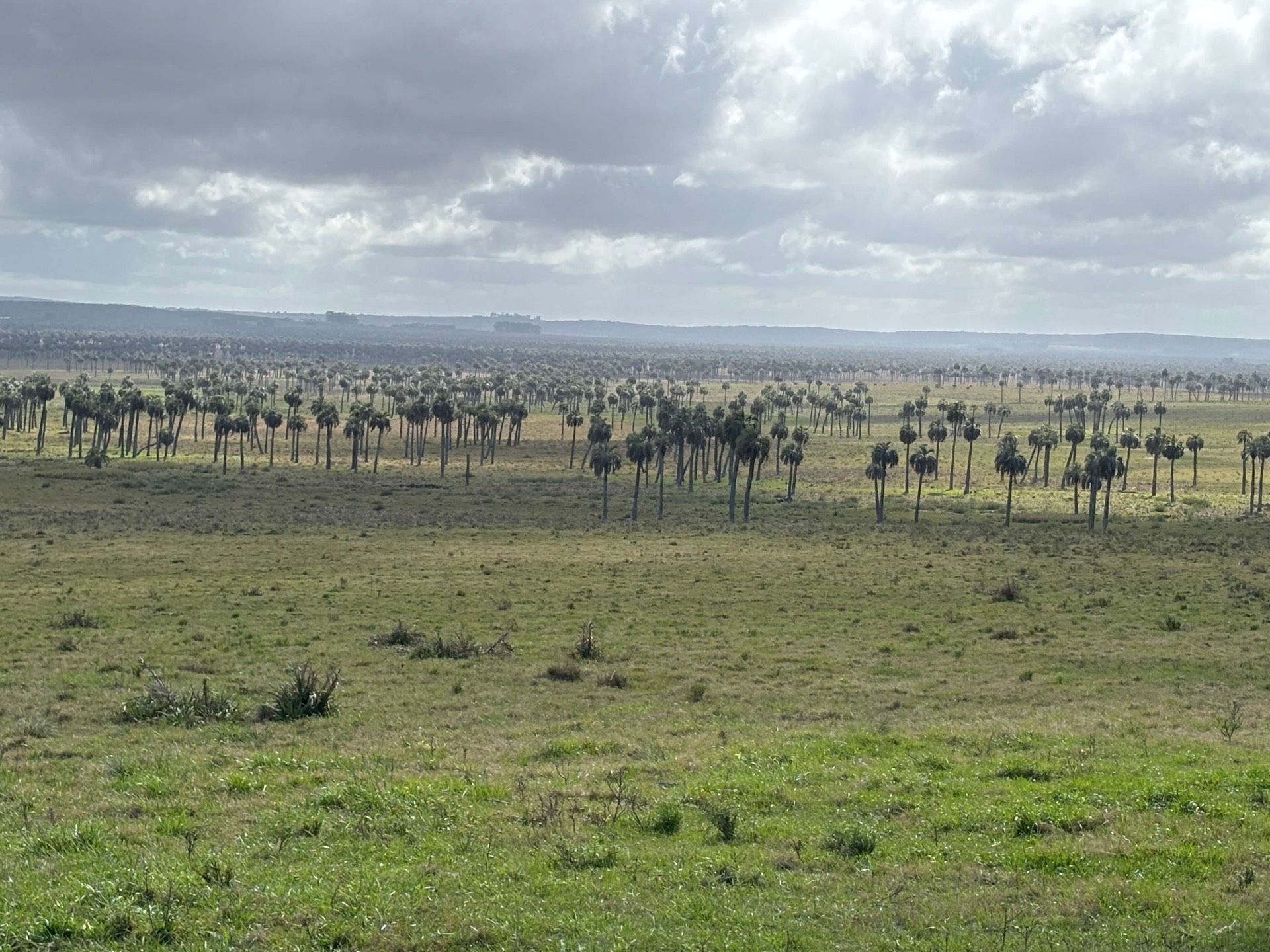
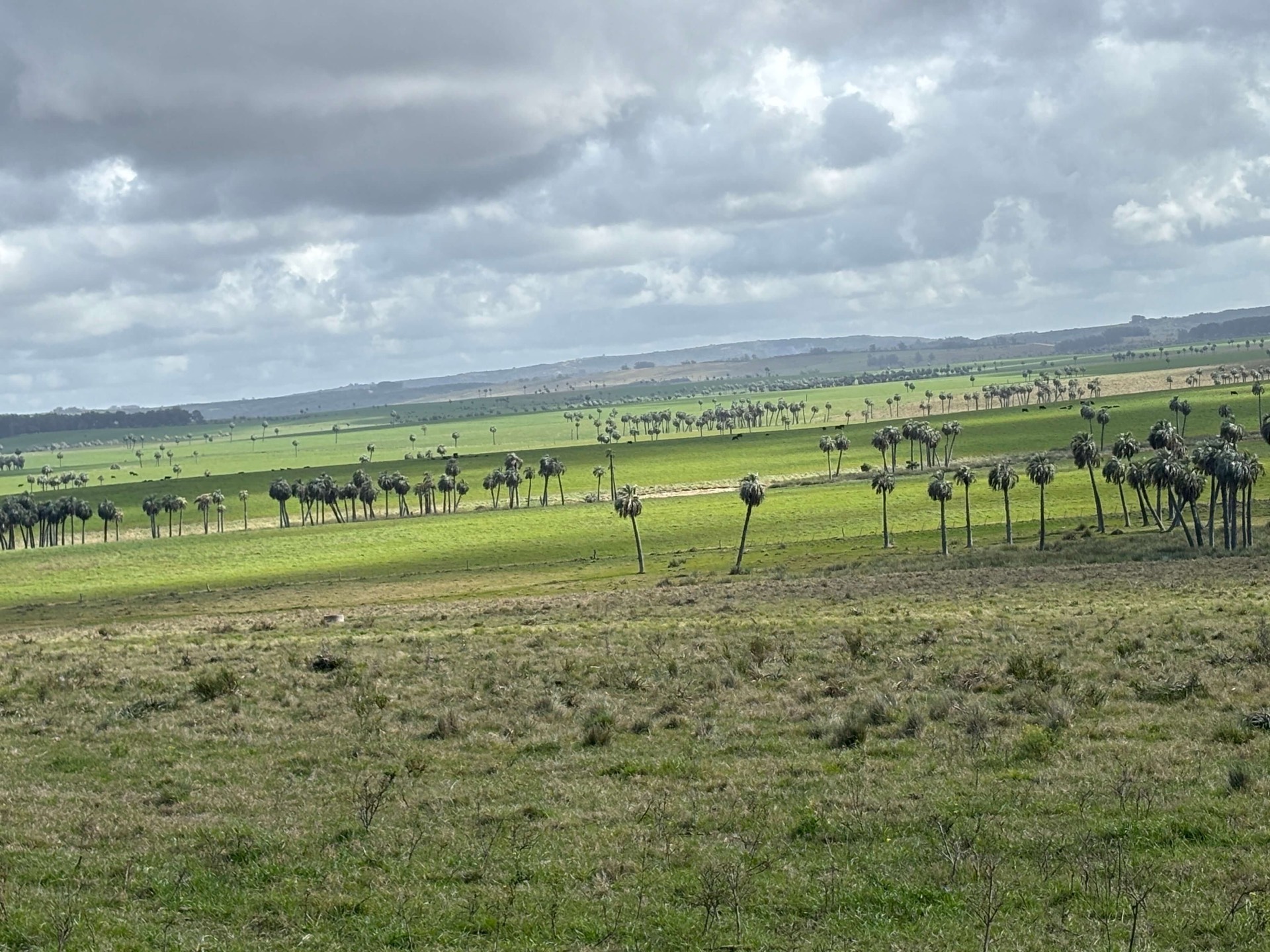
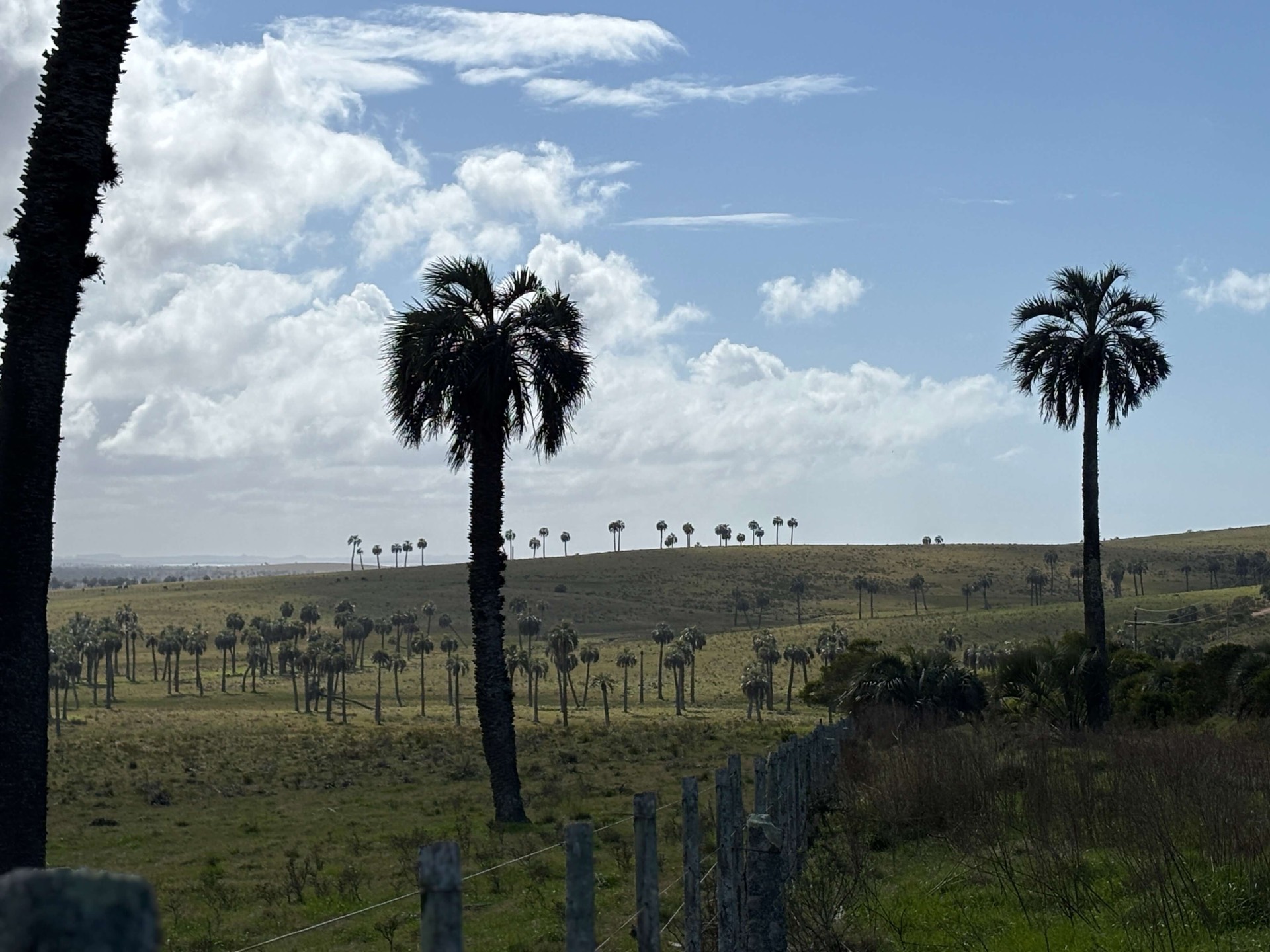
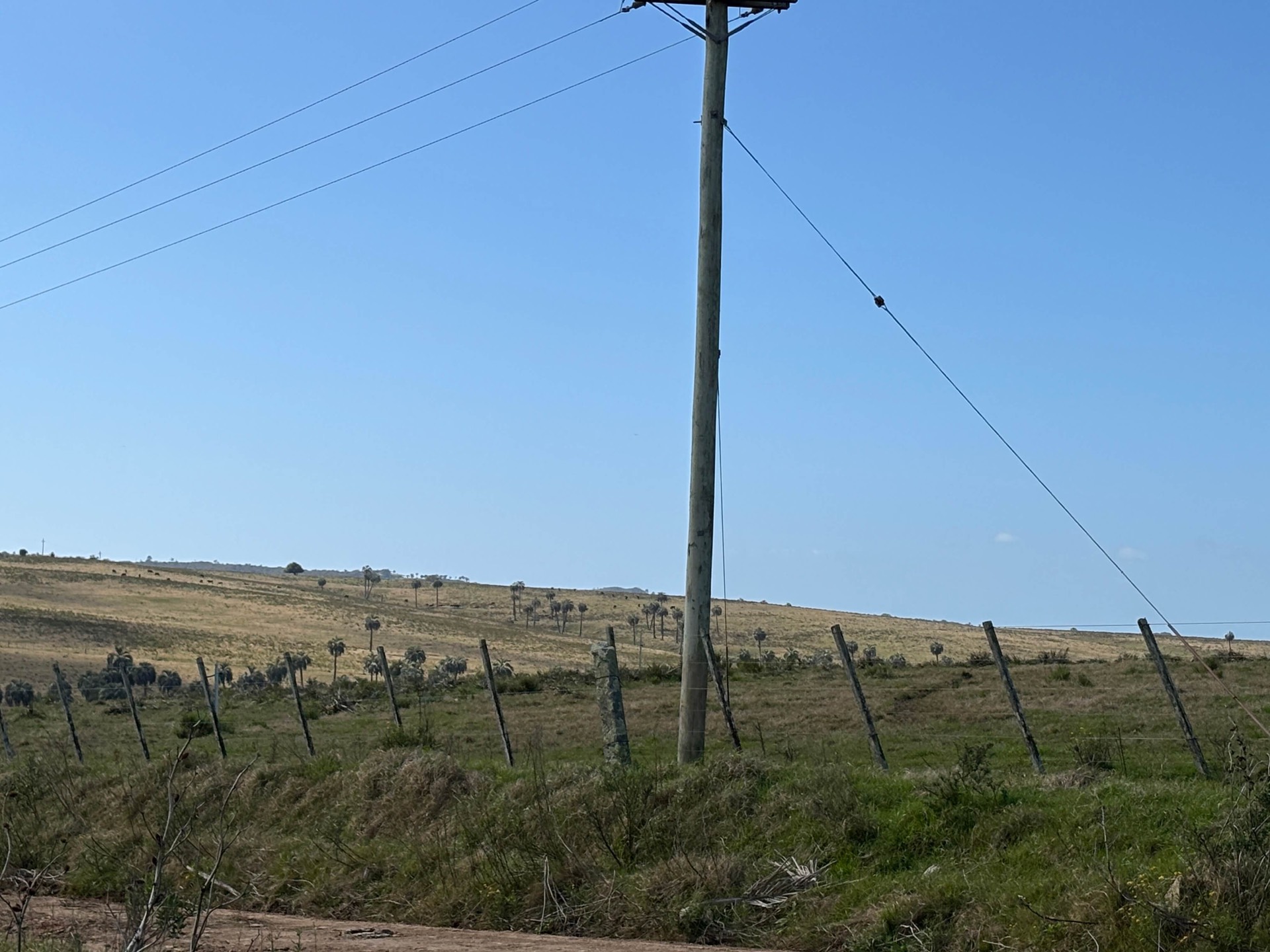
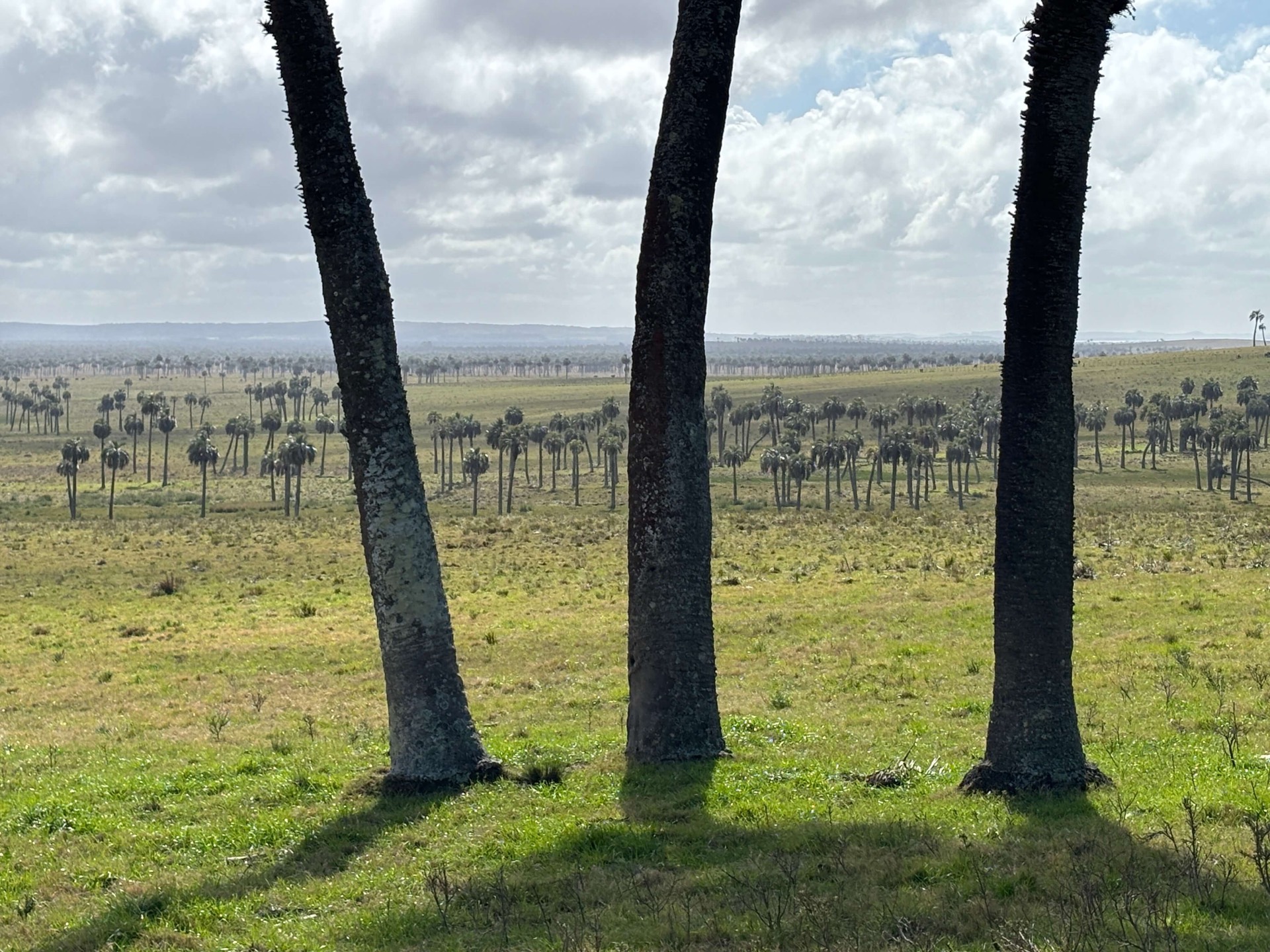
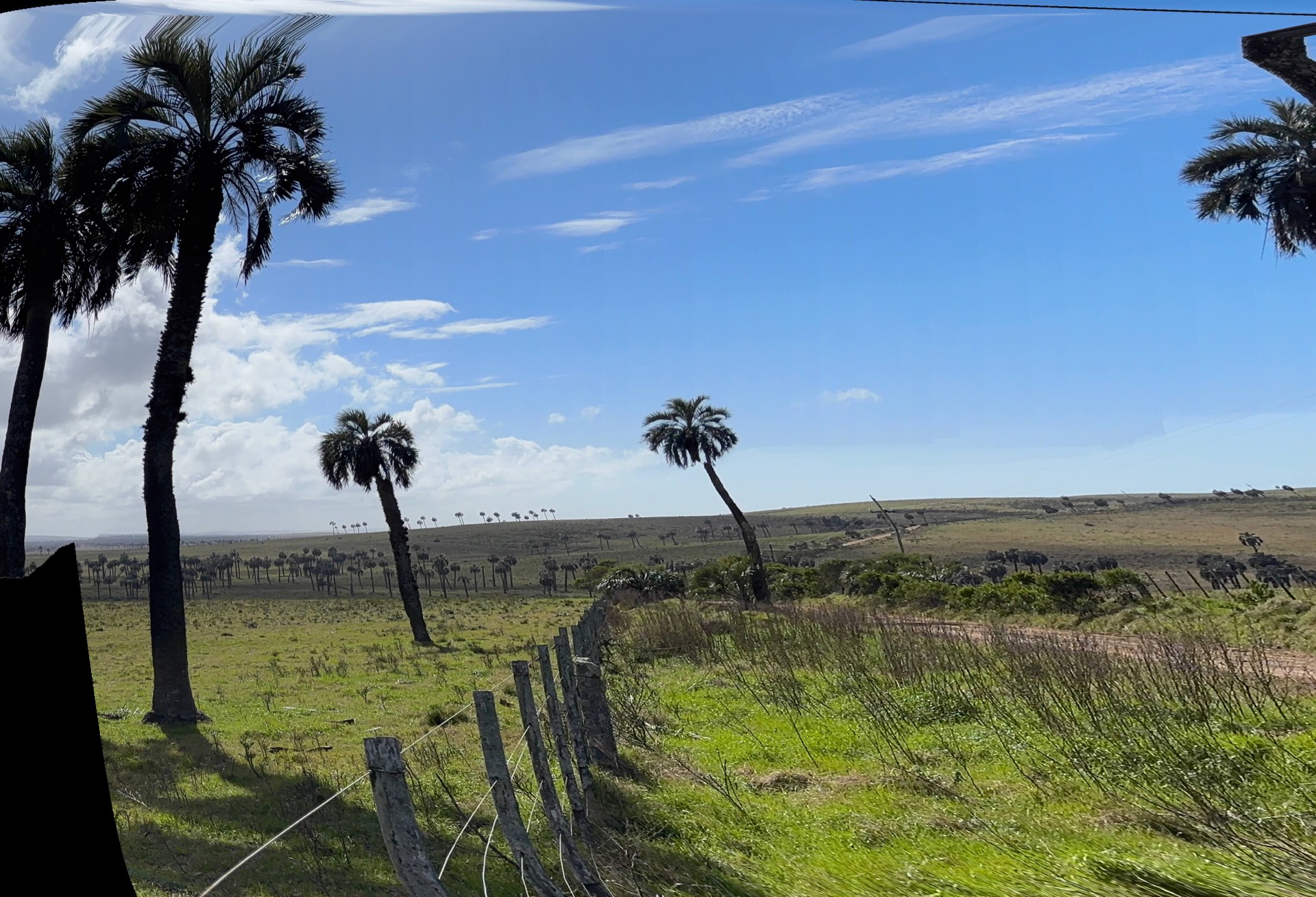
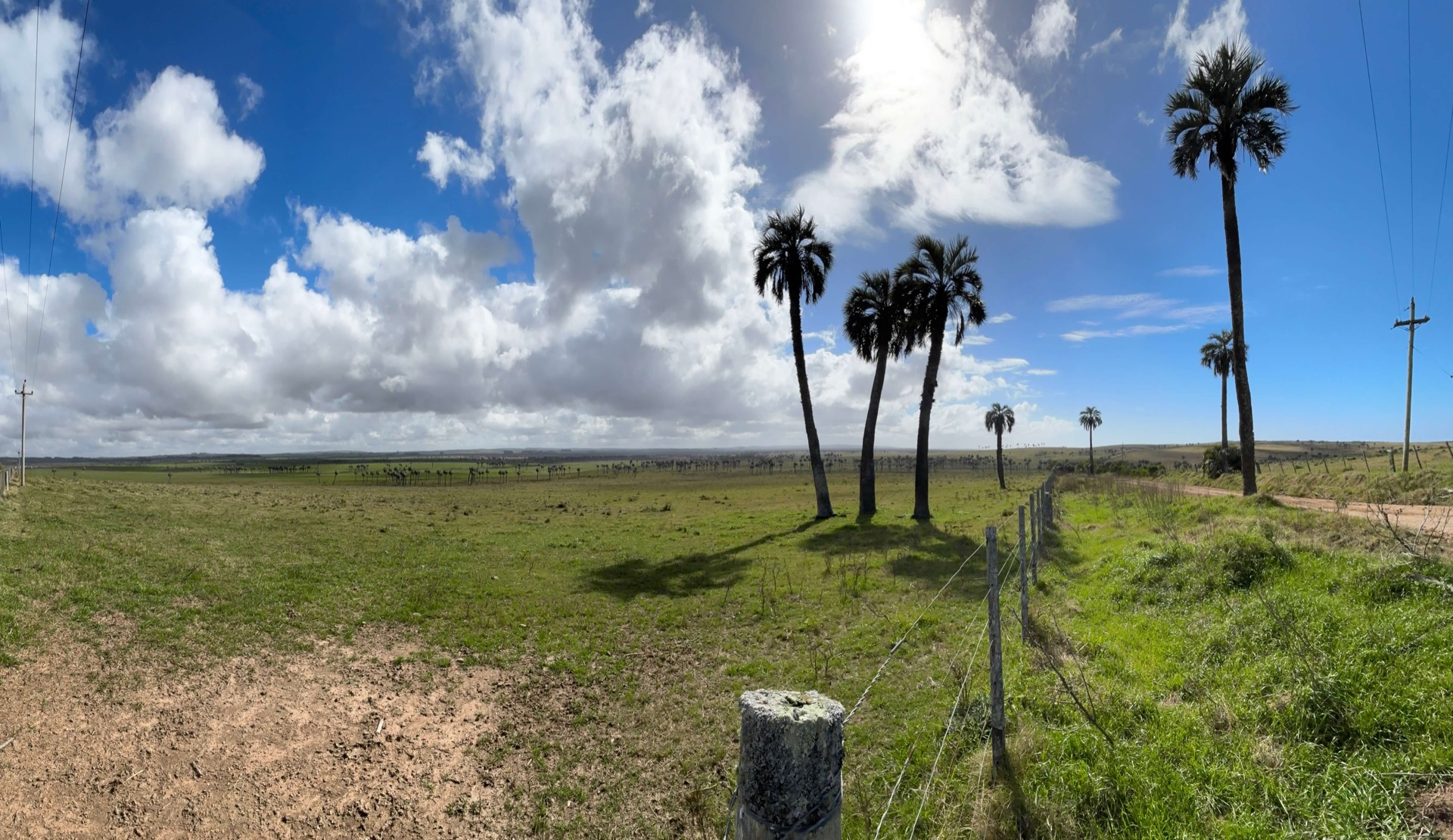
This project is developed in an area of over 12,000 hectares along the border of the Rocha and Maldonado provinces in Uruguay. The landscape of the region encompasses a rich mosaic of ecosystems—including coastal dunes, wetlands, grasslands, native forests, and lagoons —each playing a vital role in carbon sequestration, water regulation, and biodiversity conservation. These habitats support numerous species of migratory birds, native mammals, and marine life, forming an ecological corridor that links terrestrial, wetland, and marine environments. However, pressures from tourism development, livestock grazing, and land-use change threaten to degrade these sensitive ecosystems. Protecting and restoring them not only preserves Uruguay’s natural heritage but also strengthens its capacity to adapt to climate change impacts like coastal erosion, rising sea levels, and extreme weather events.
The coastal ecosystems of Rocha and Maldonado hold significant potential for carbon capture and long-term storage, particularly through the conservation and regeneration of wetlands, grasslands, and native coastal forests. These ecosystems store carbon both above ground—in vegetation—and below ground, in soils and peat-rich sediments that act as natural carbon sinks. Restoration efforts such as replanting native vegetation, managing grazing intensity, and rehabilitating degraded wetlands can substantially enhance carbon sequestration while improving habitat connectivity and water quality.