


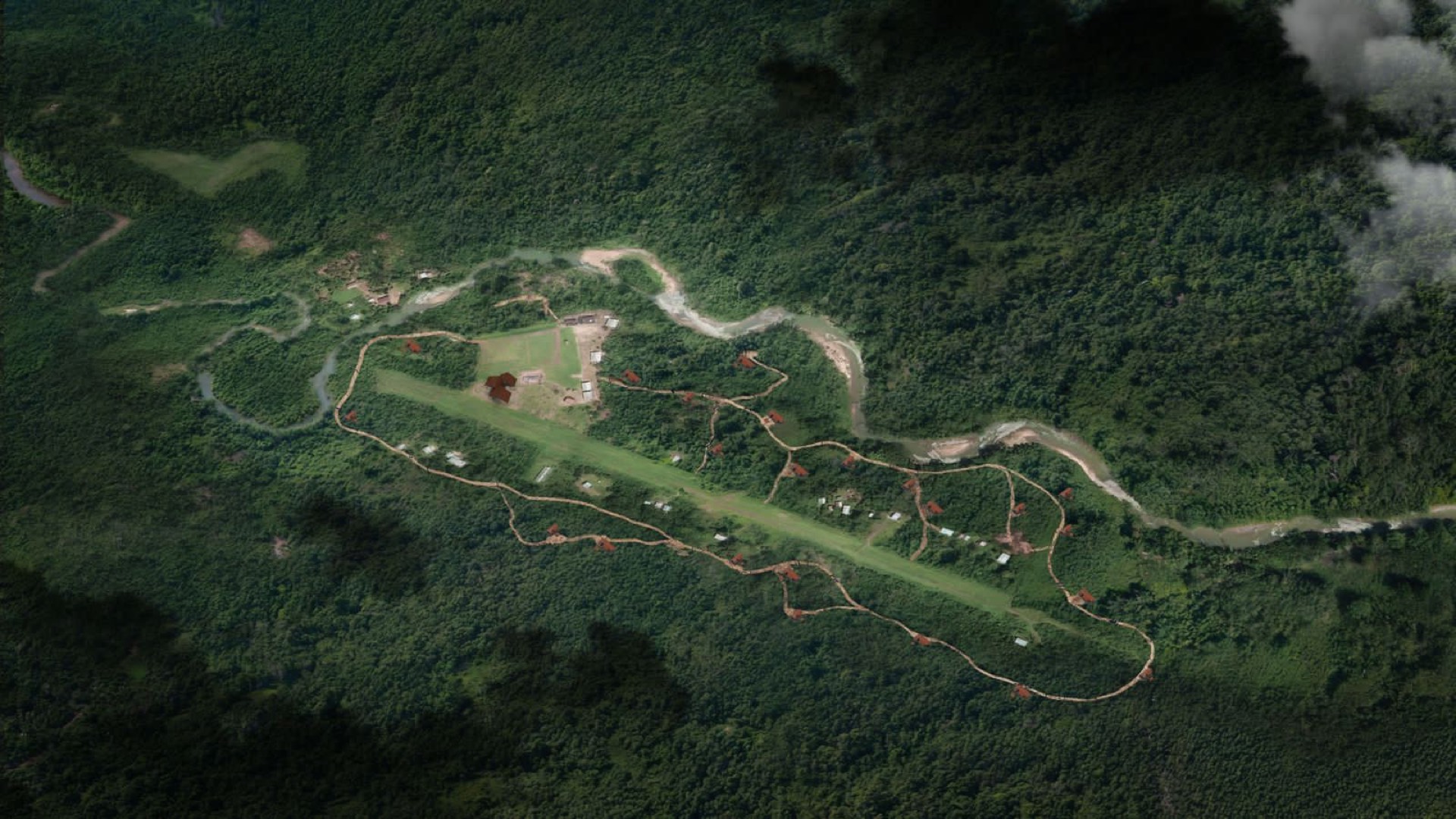
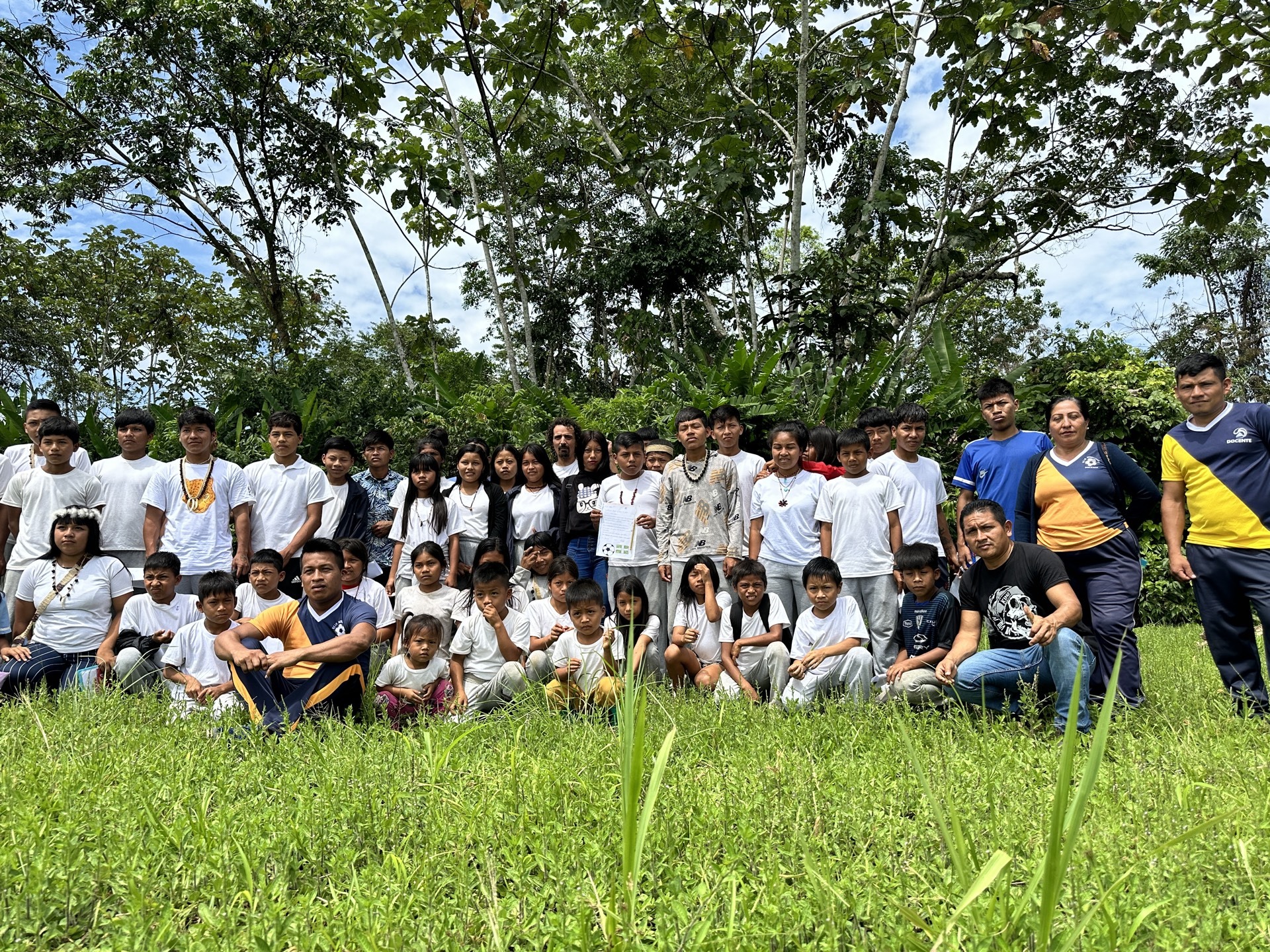
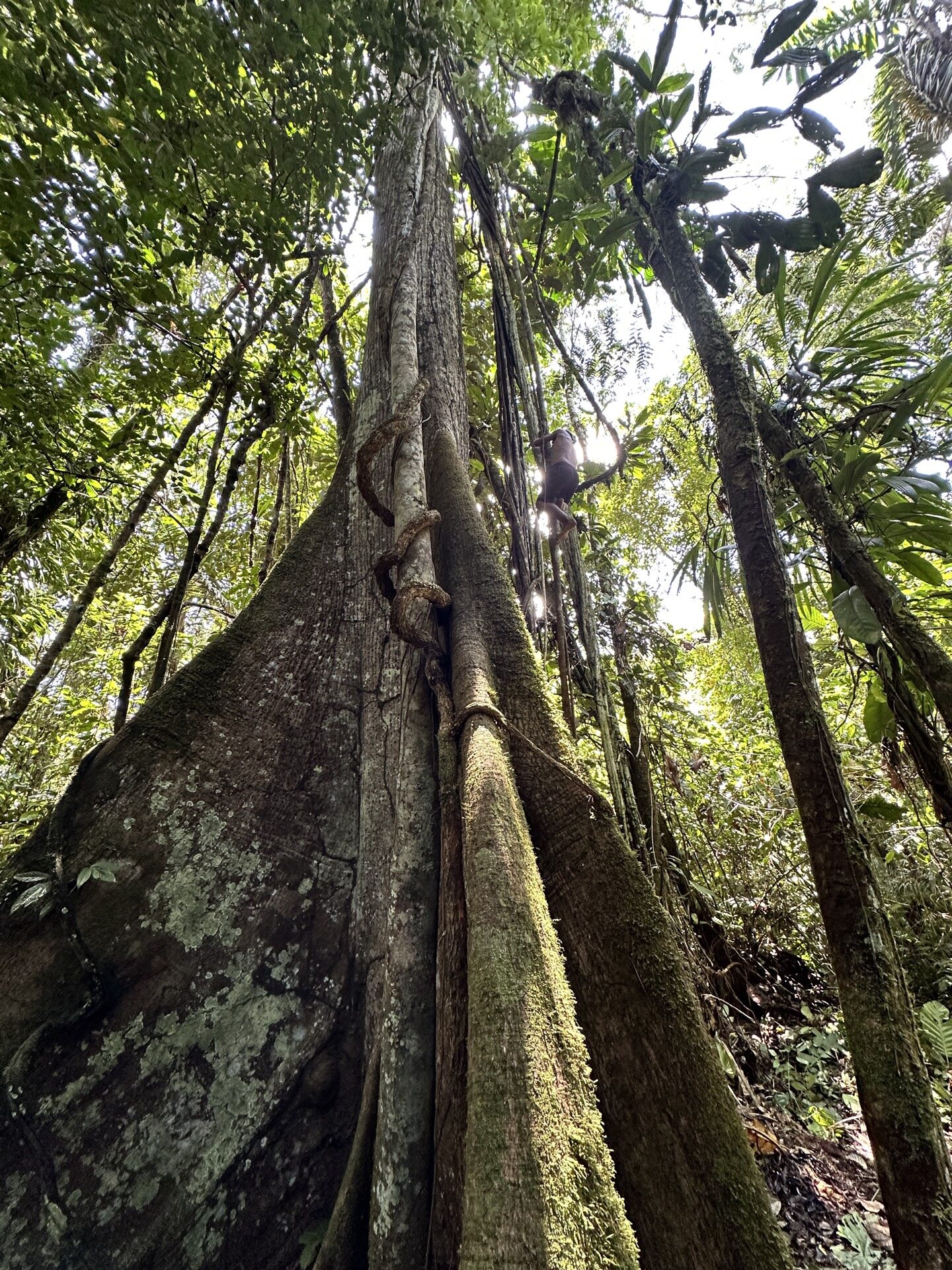
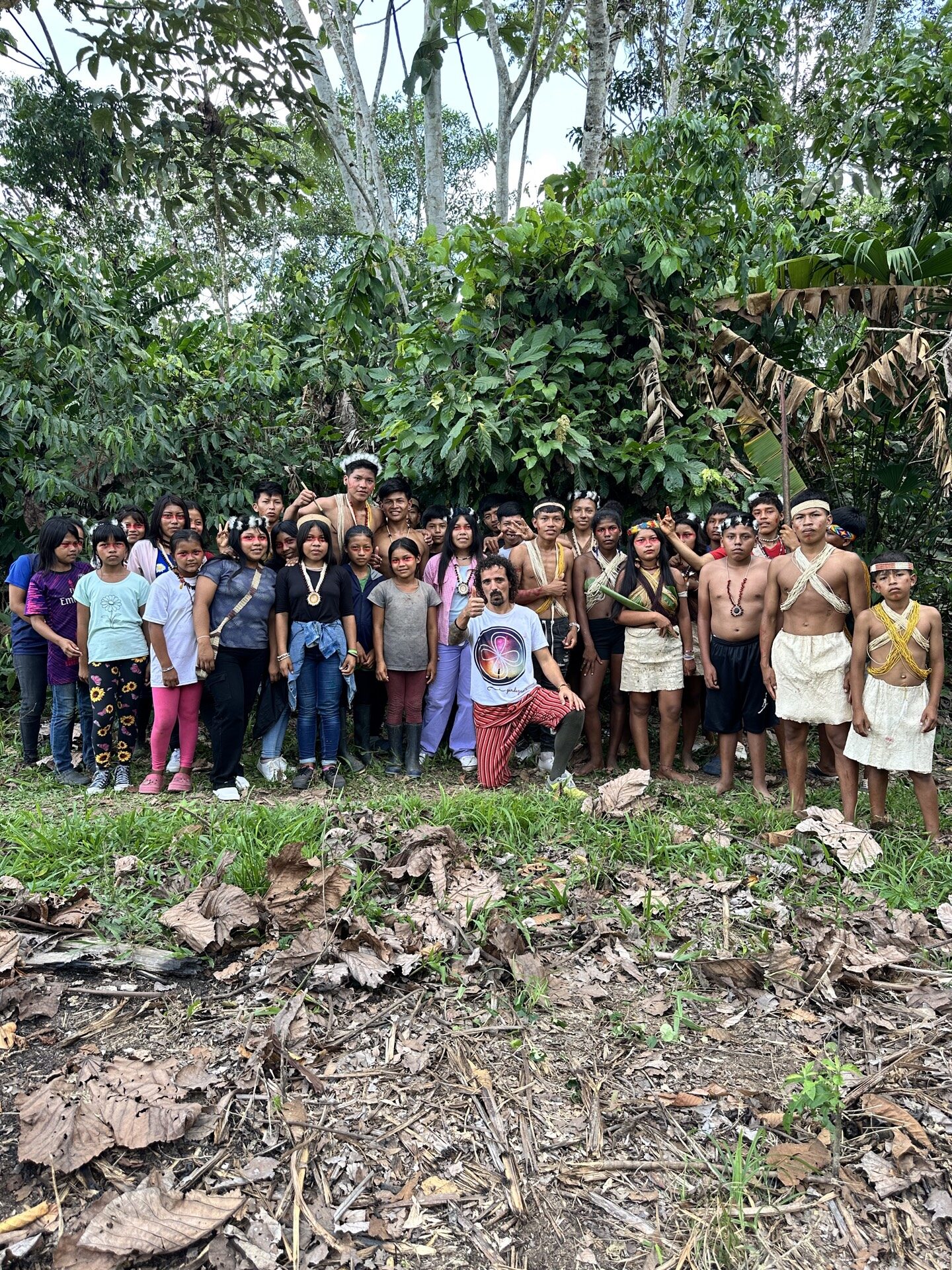
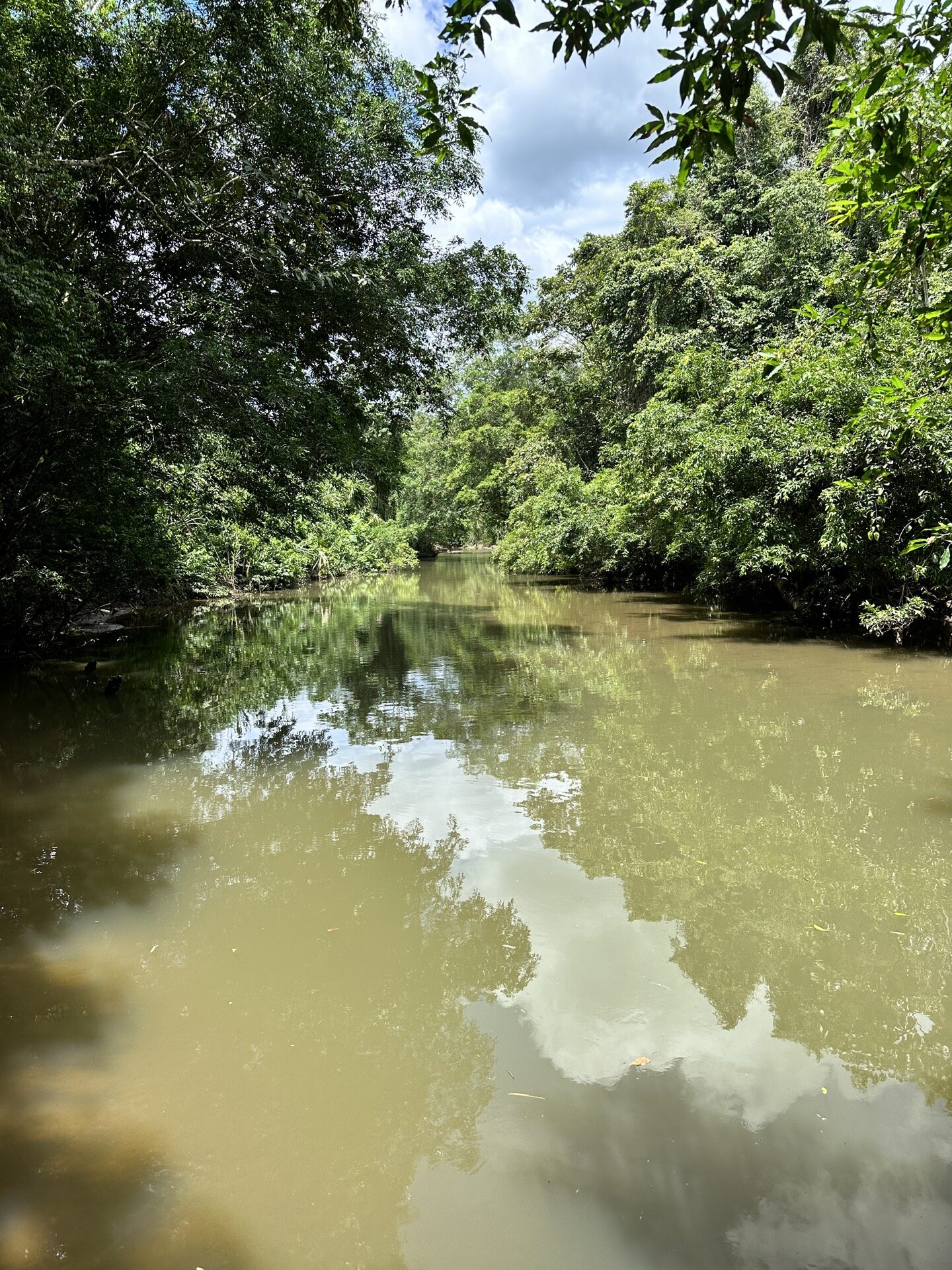
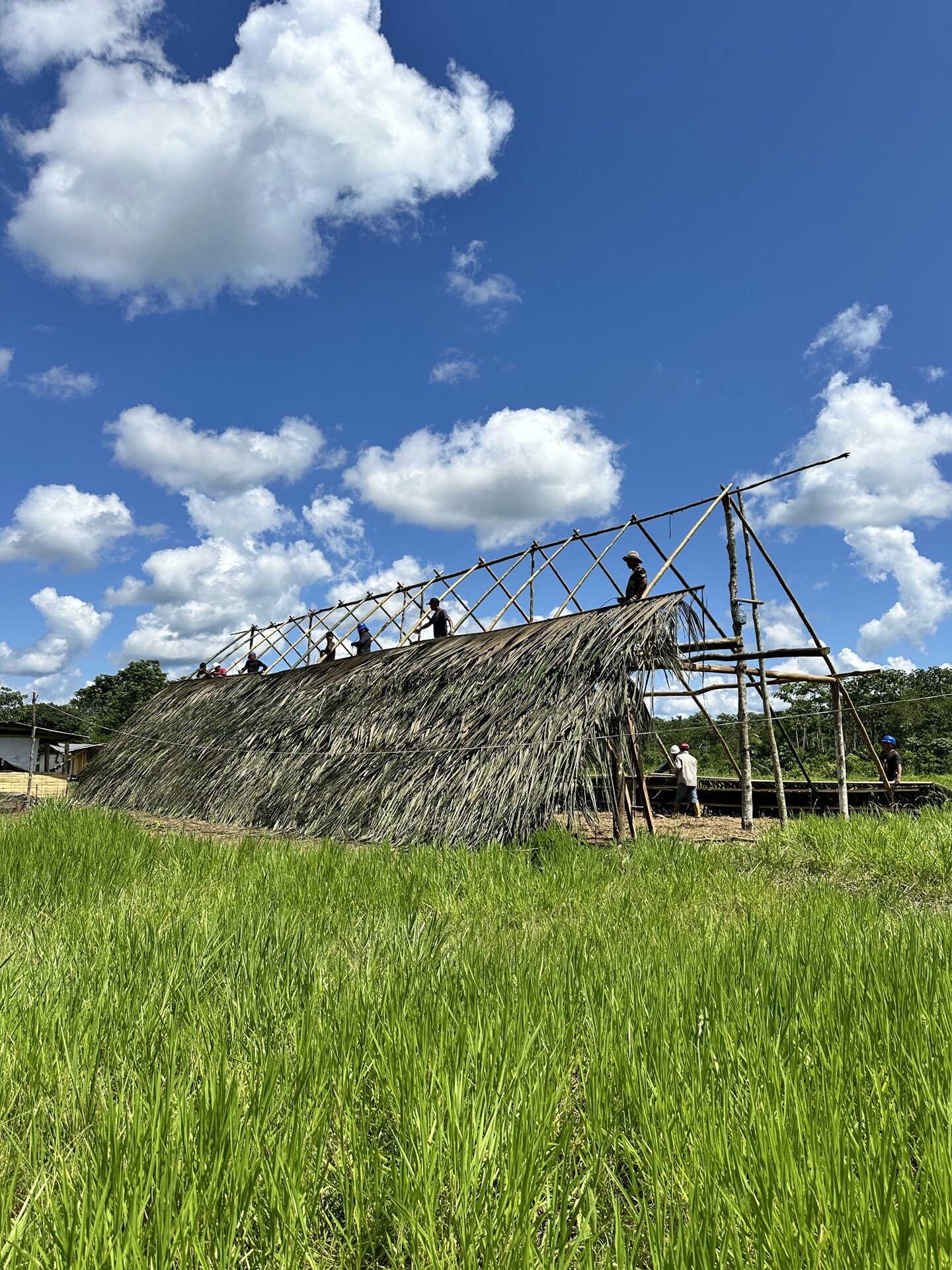
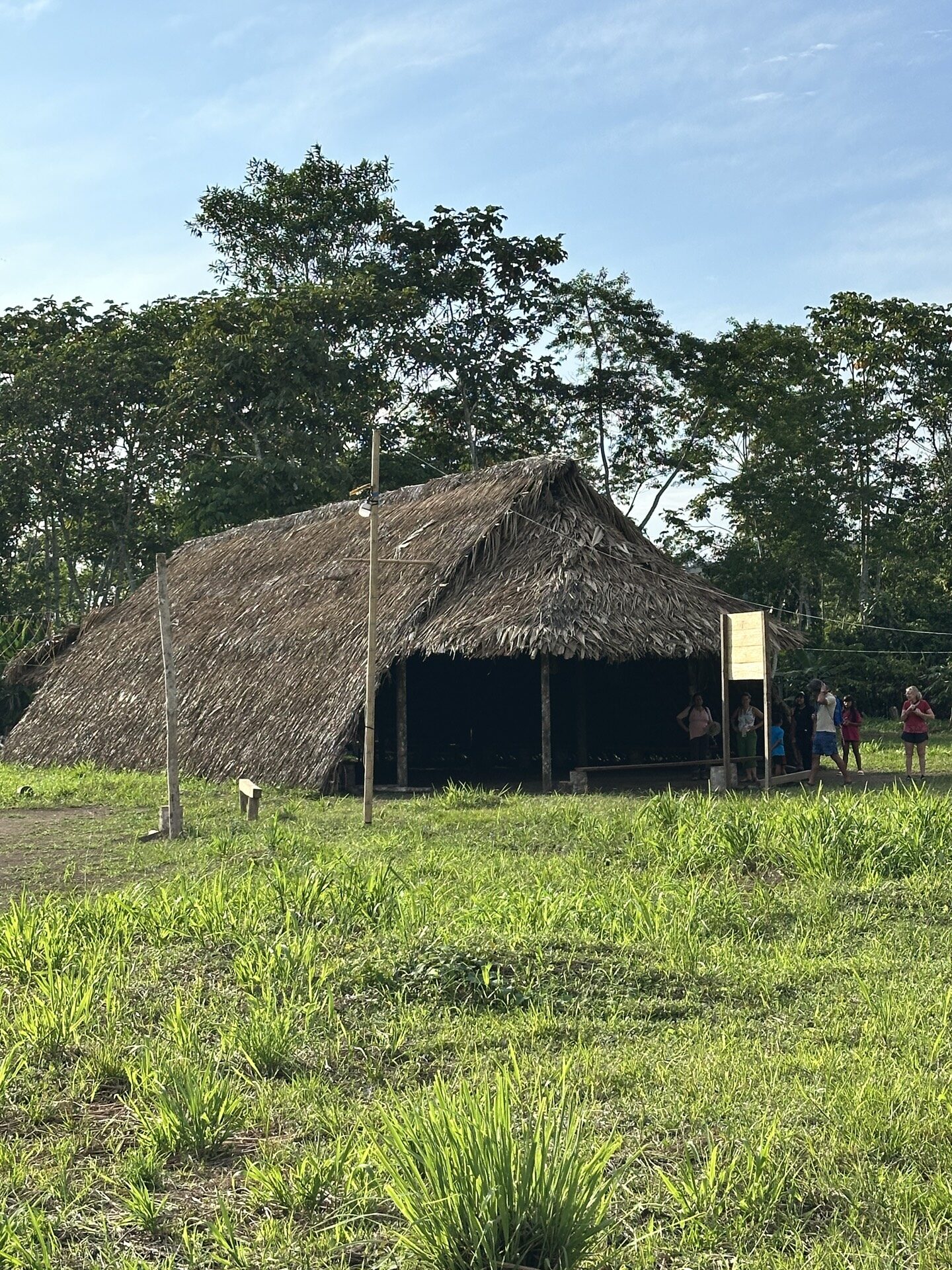
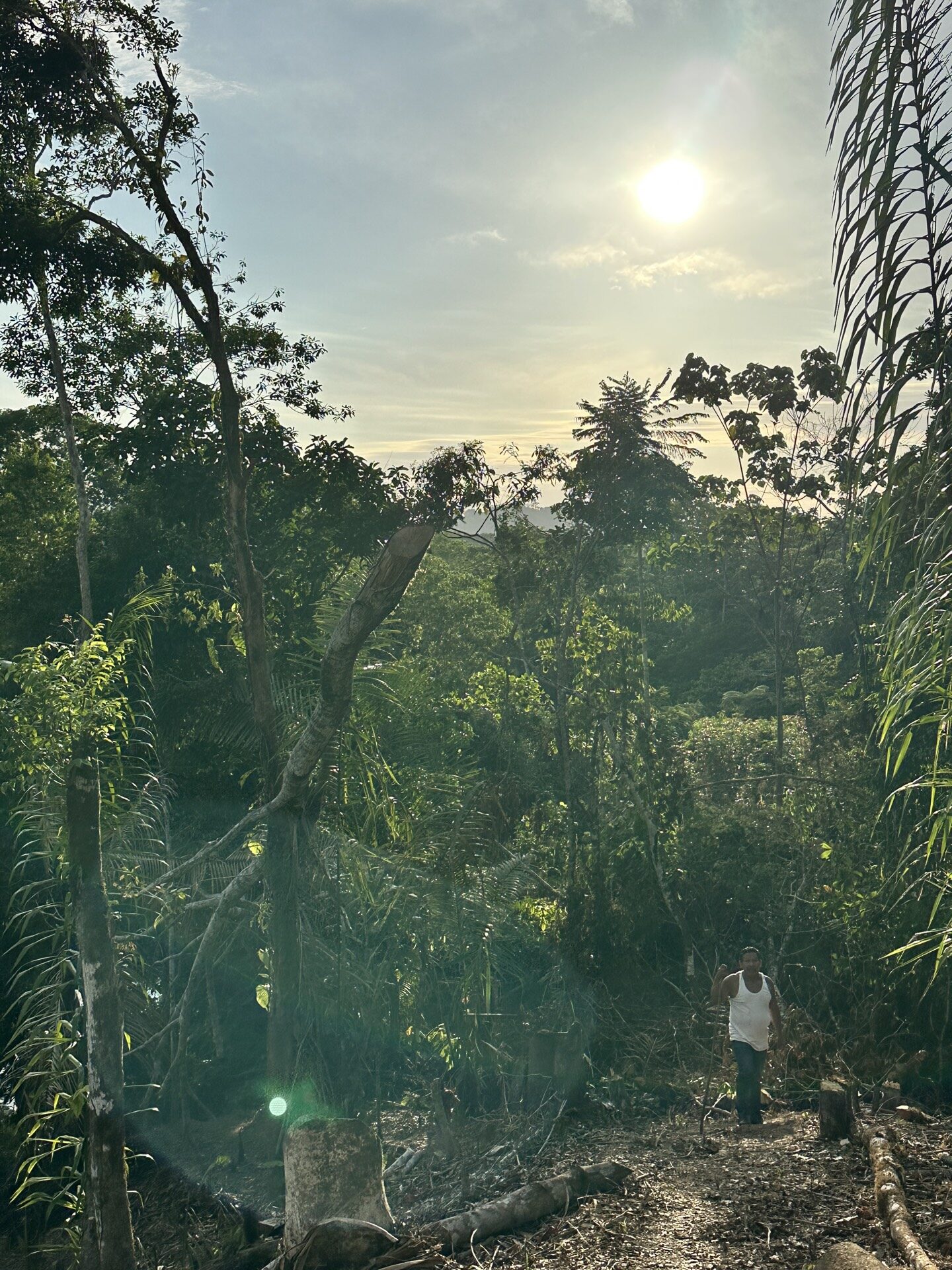
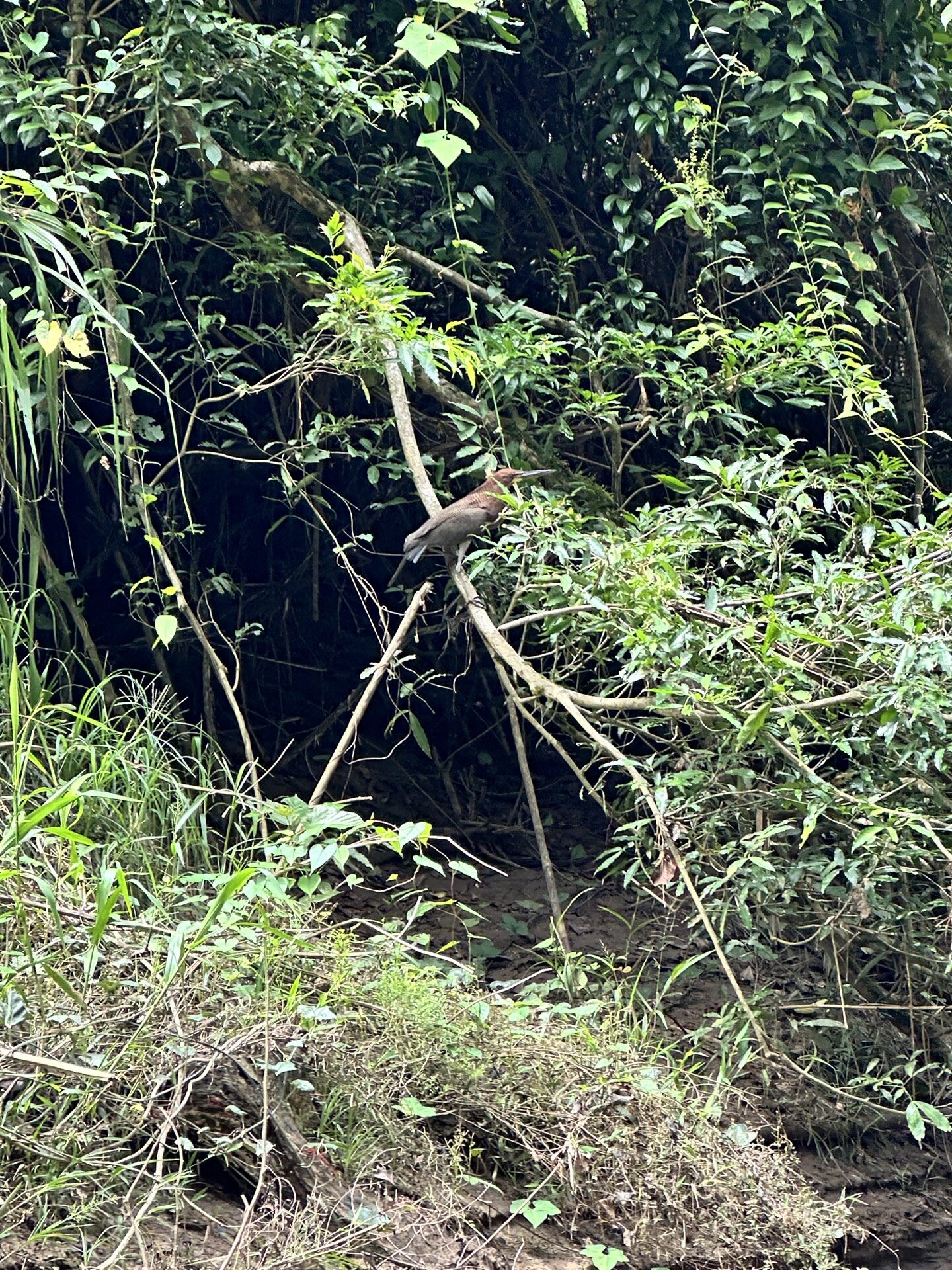
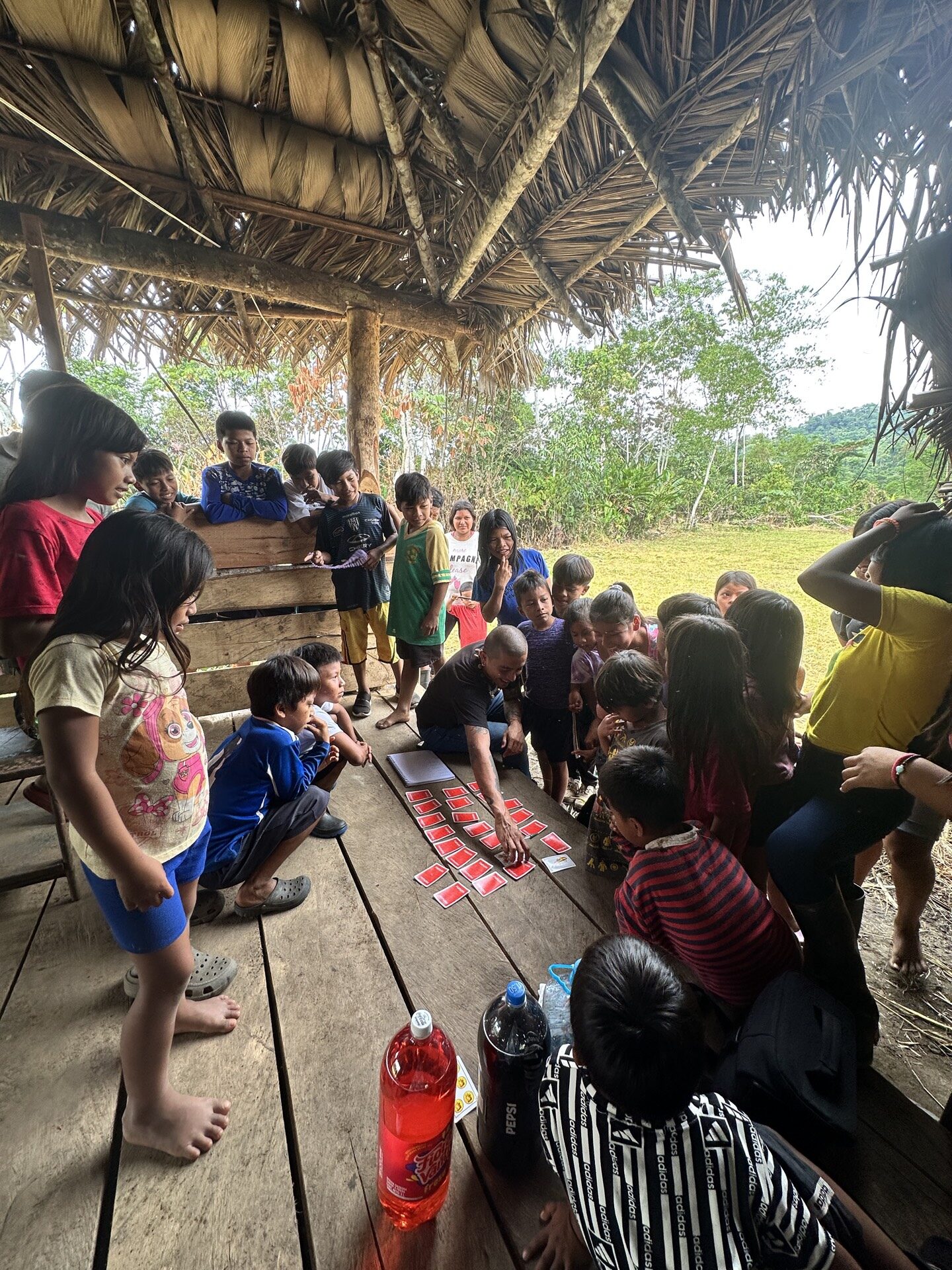
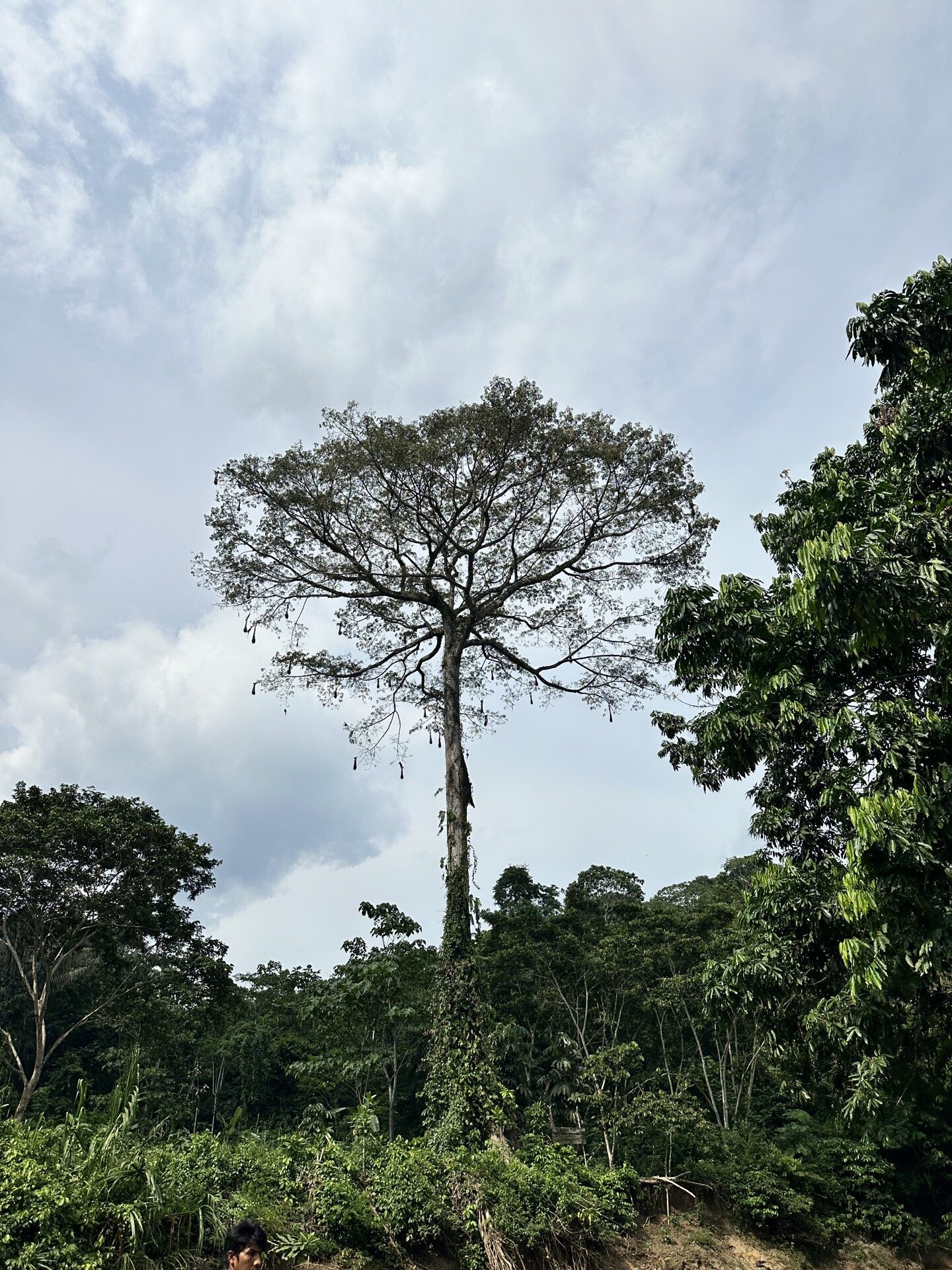
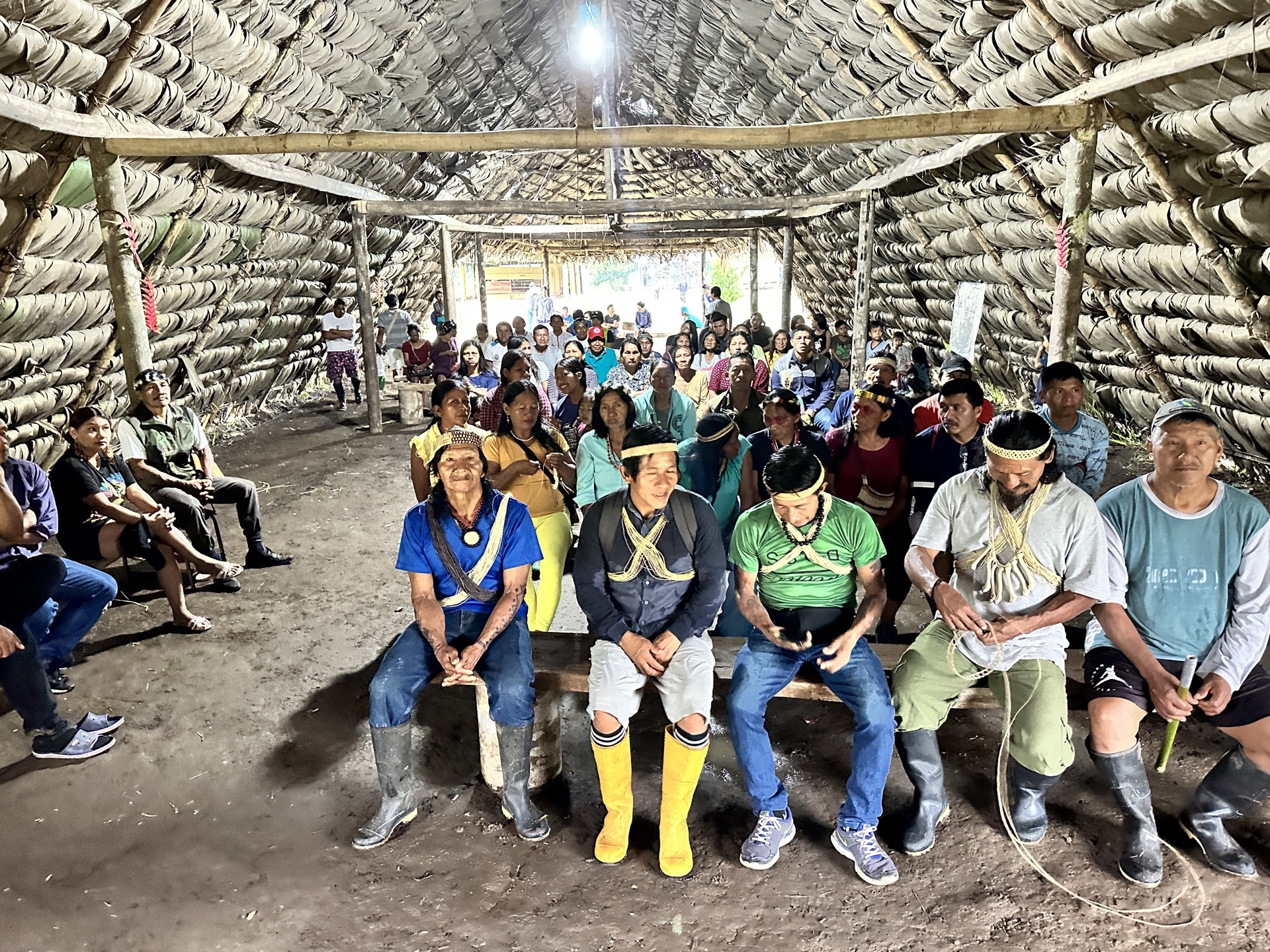
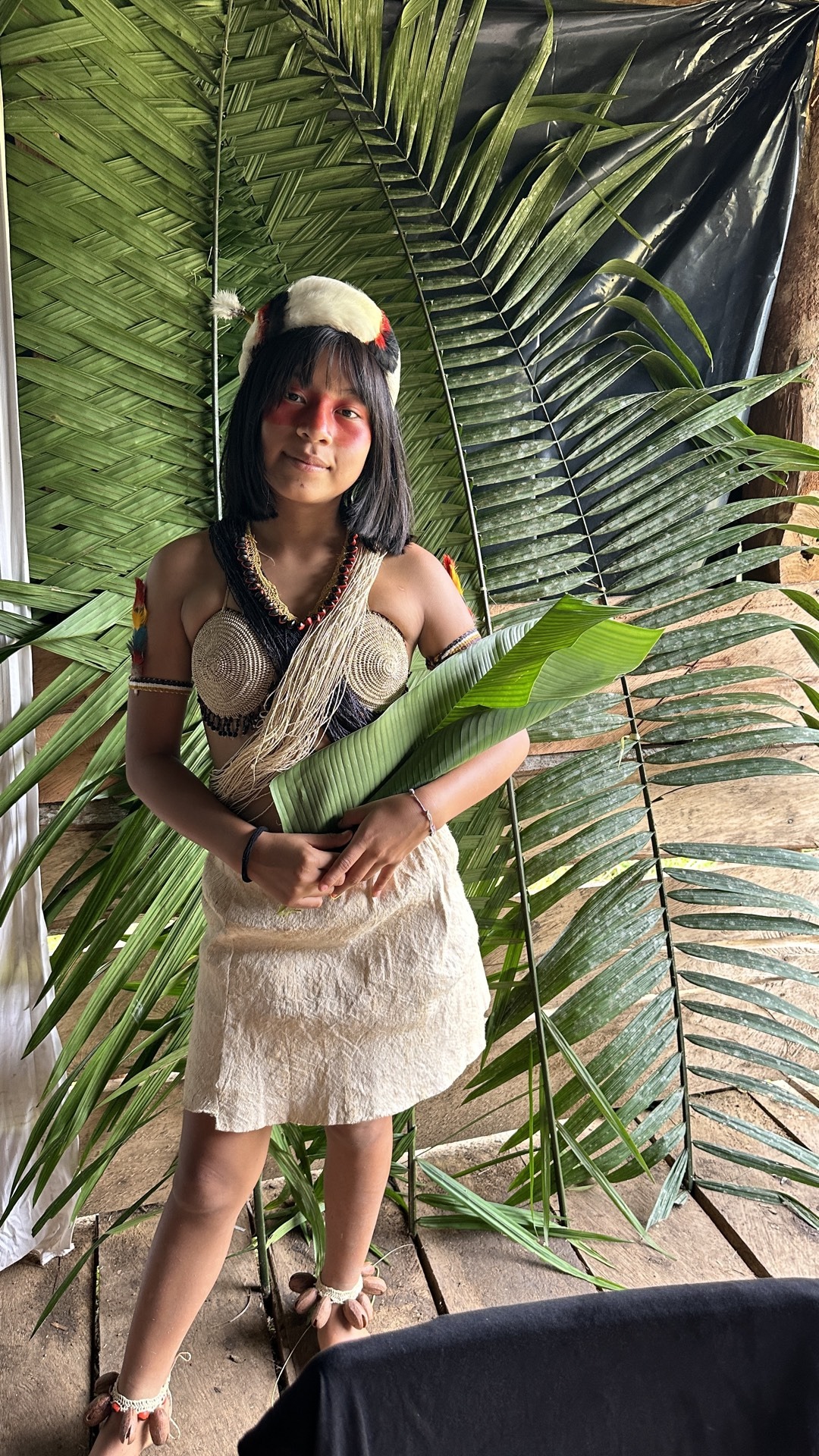
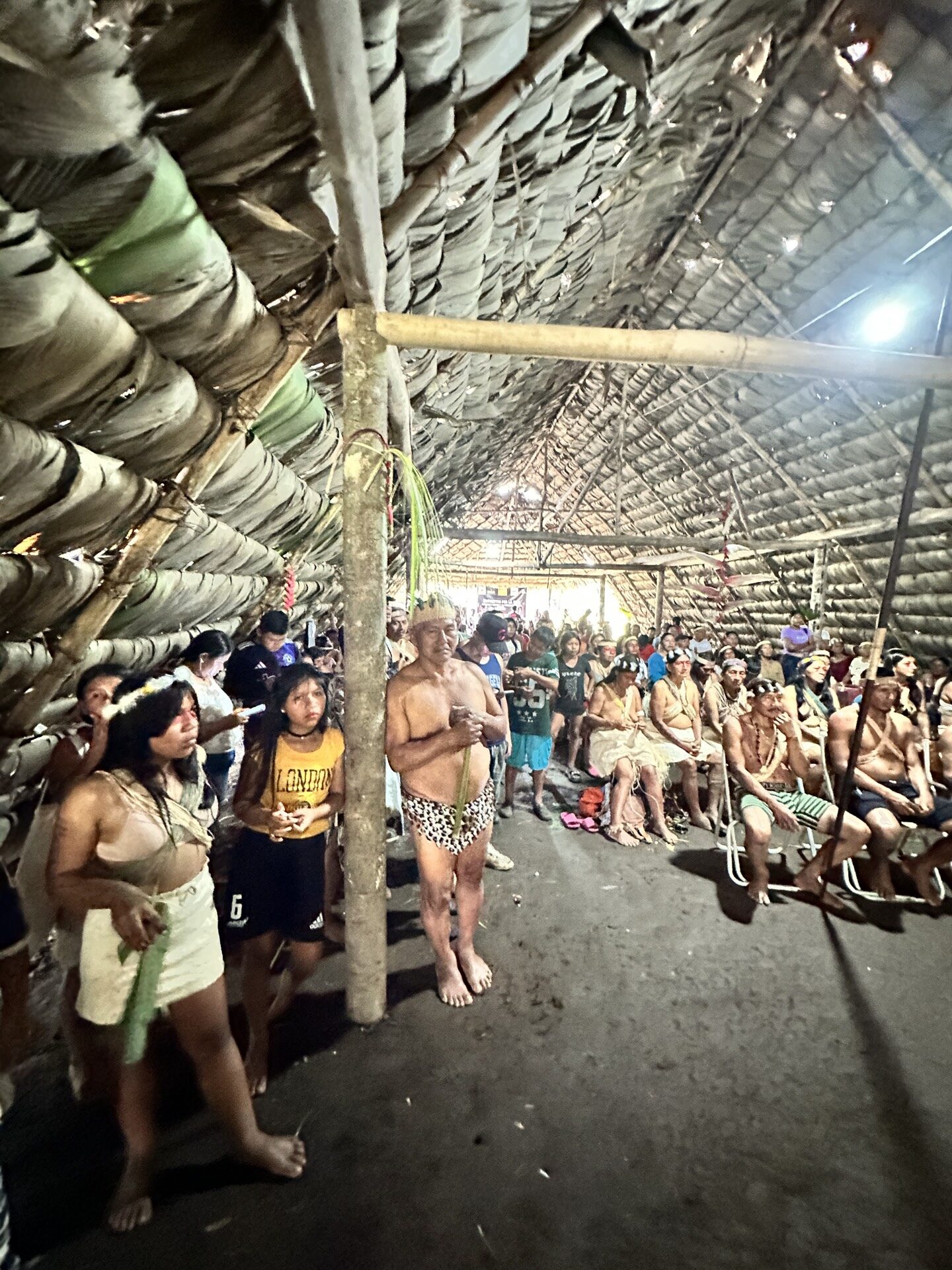
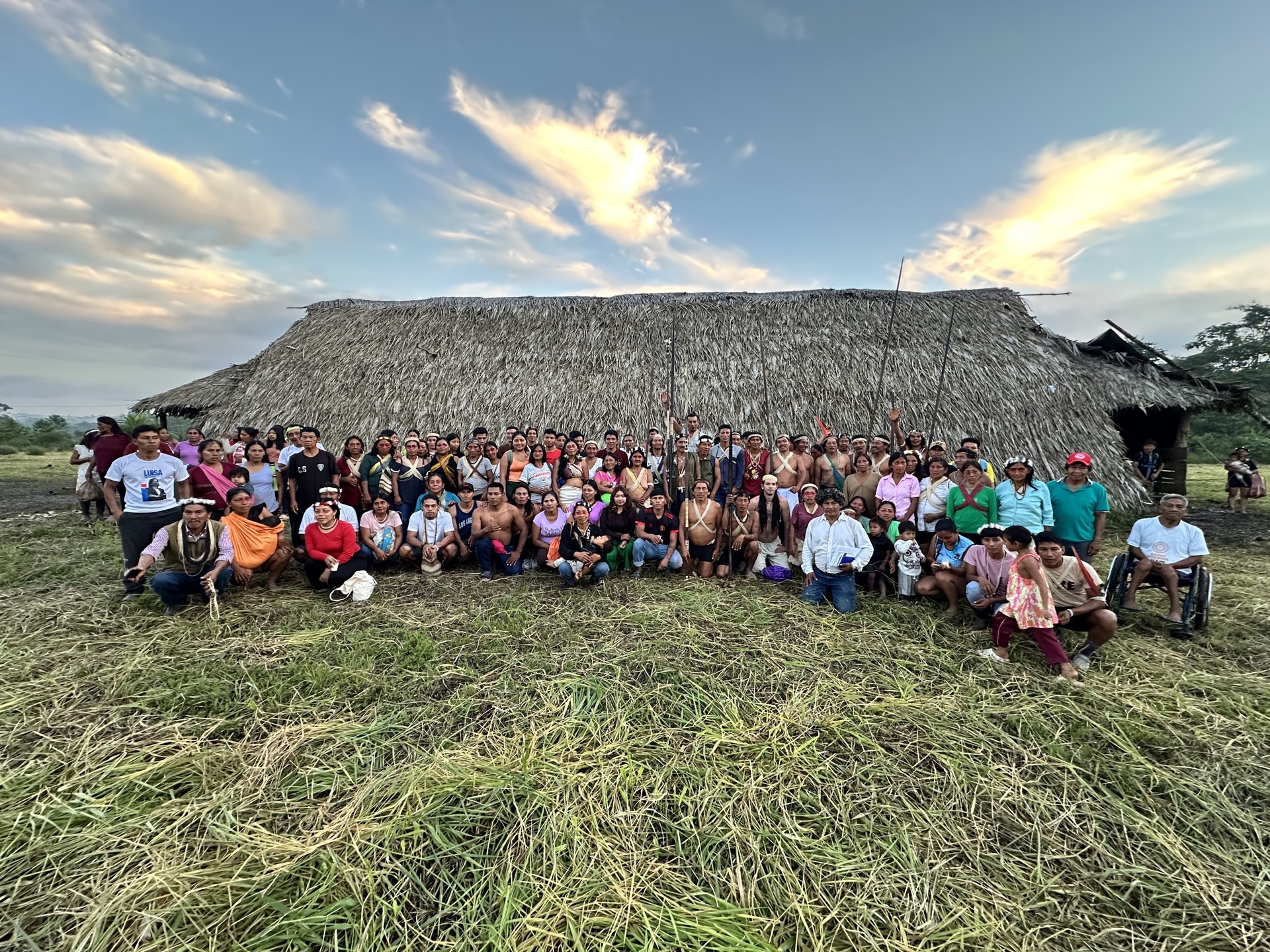
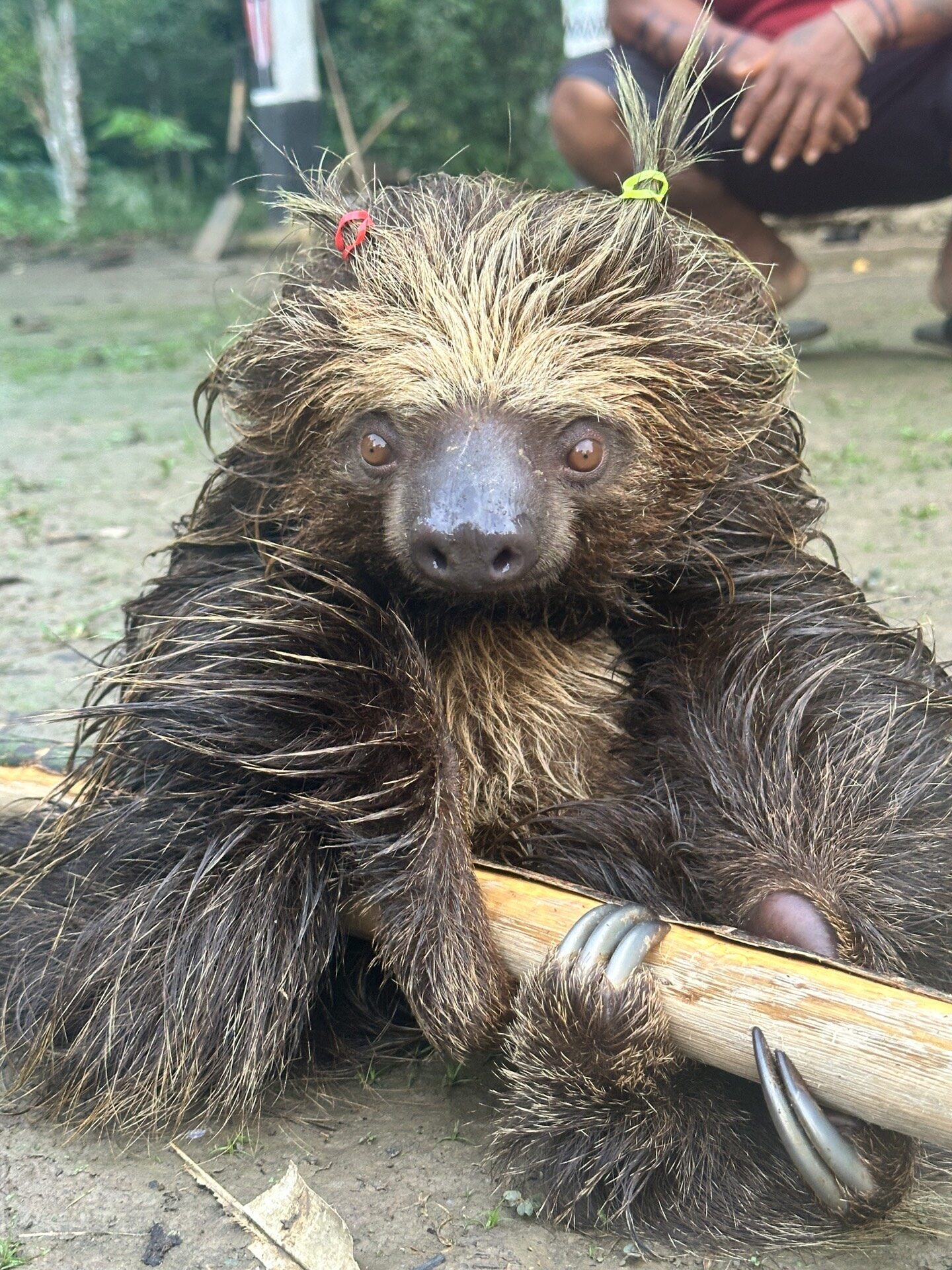
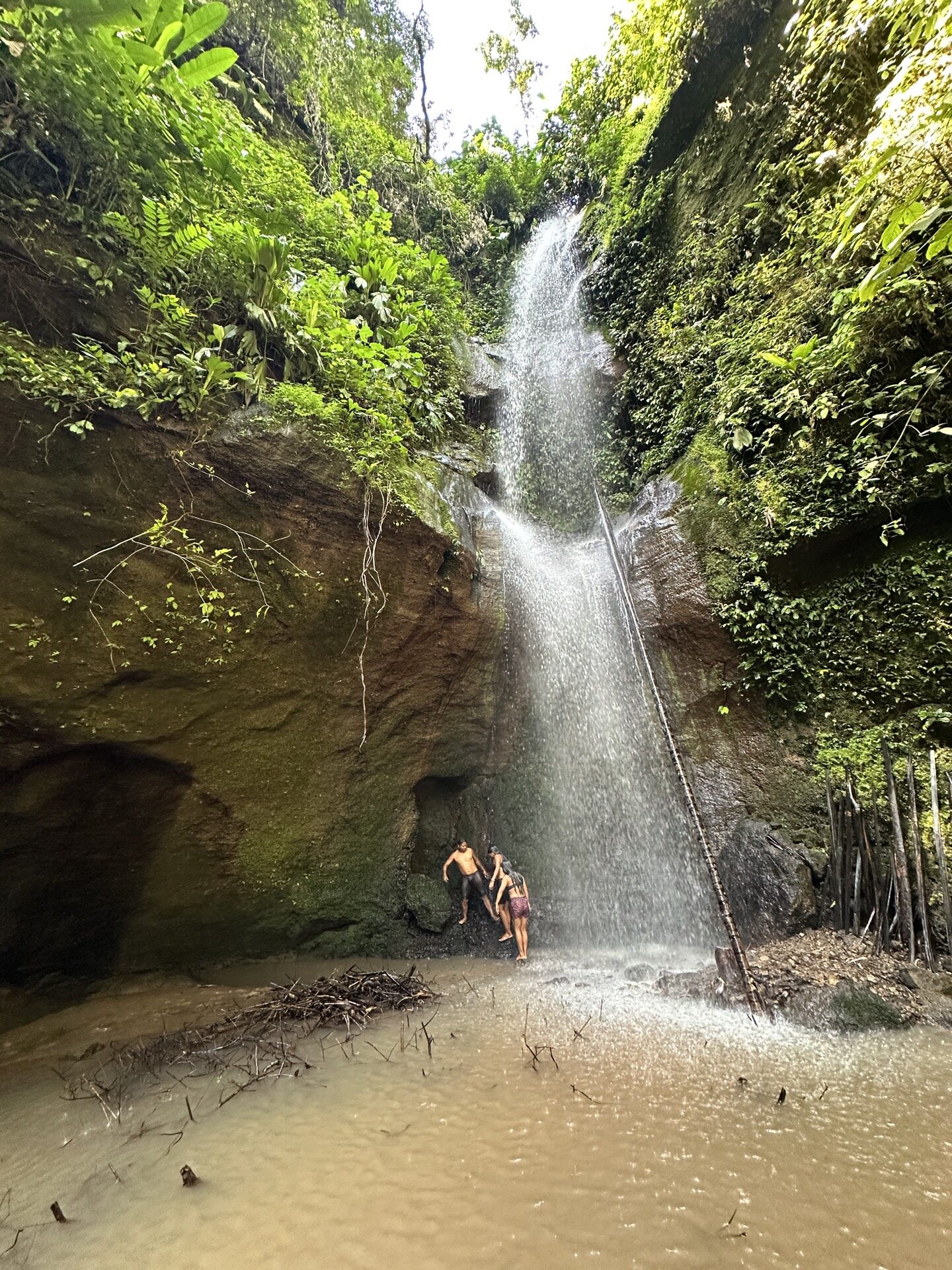
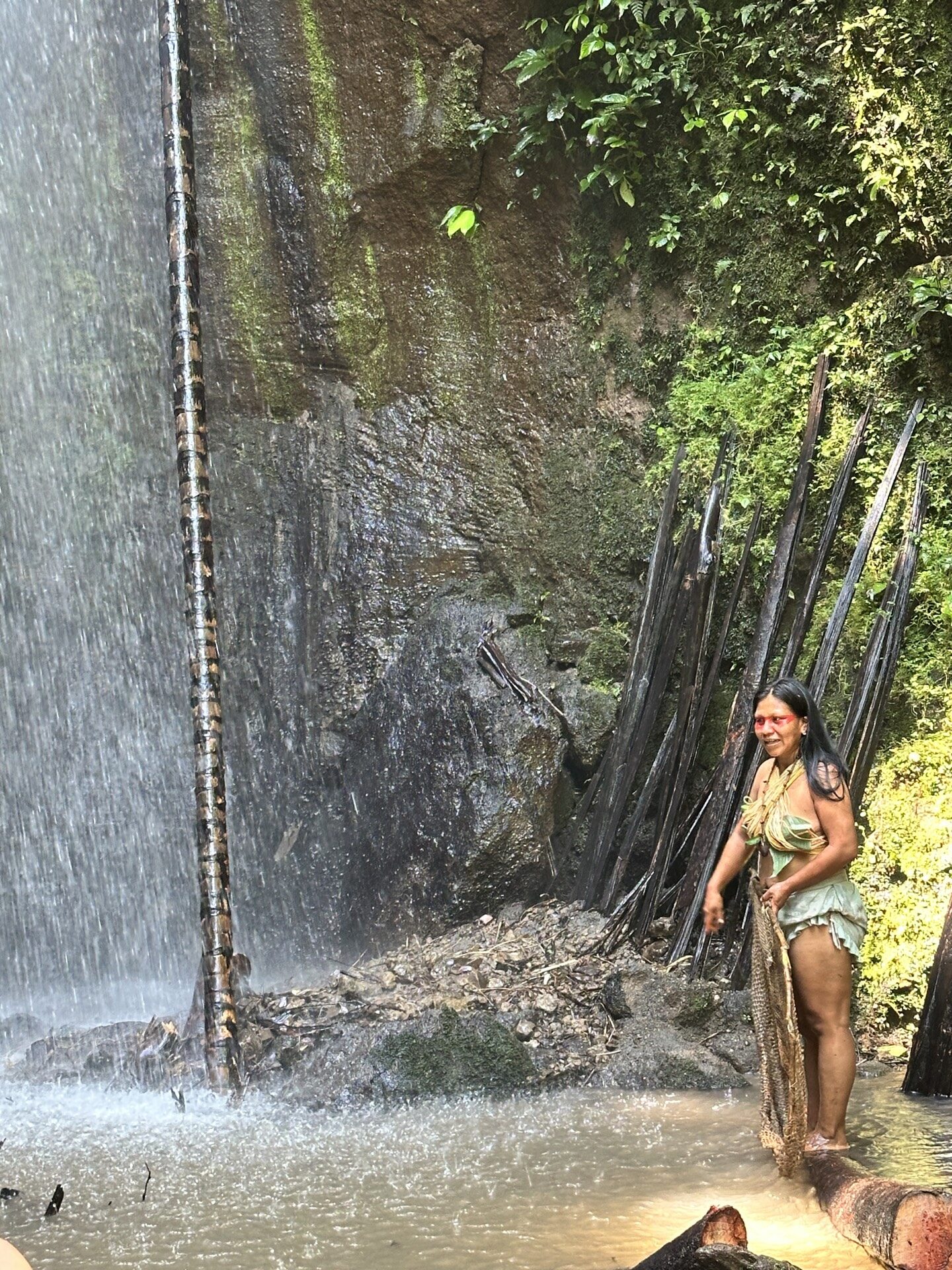
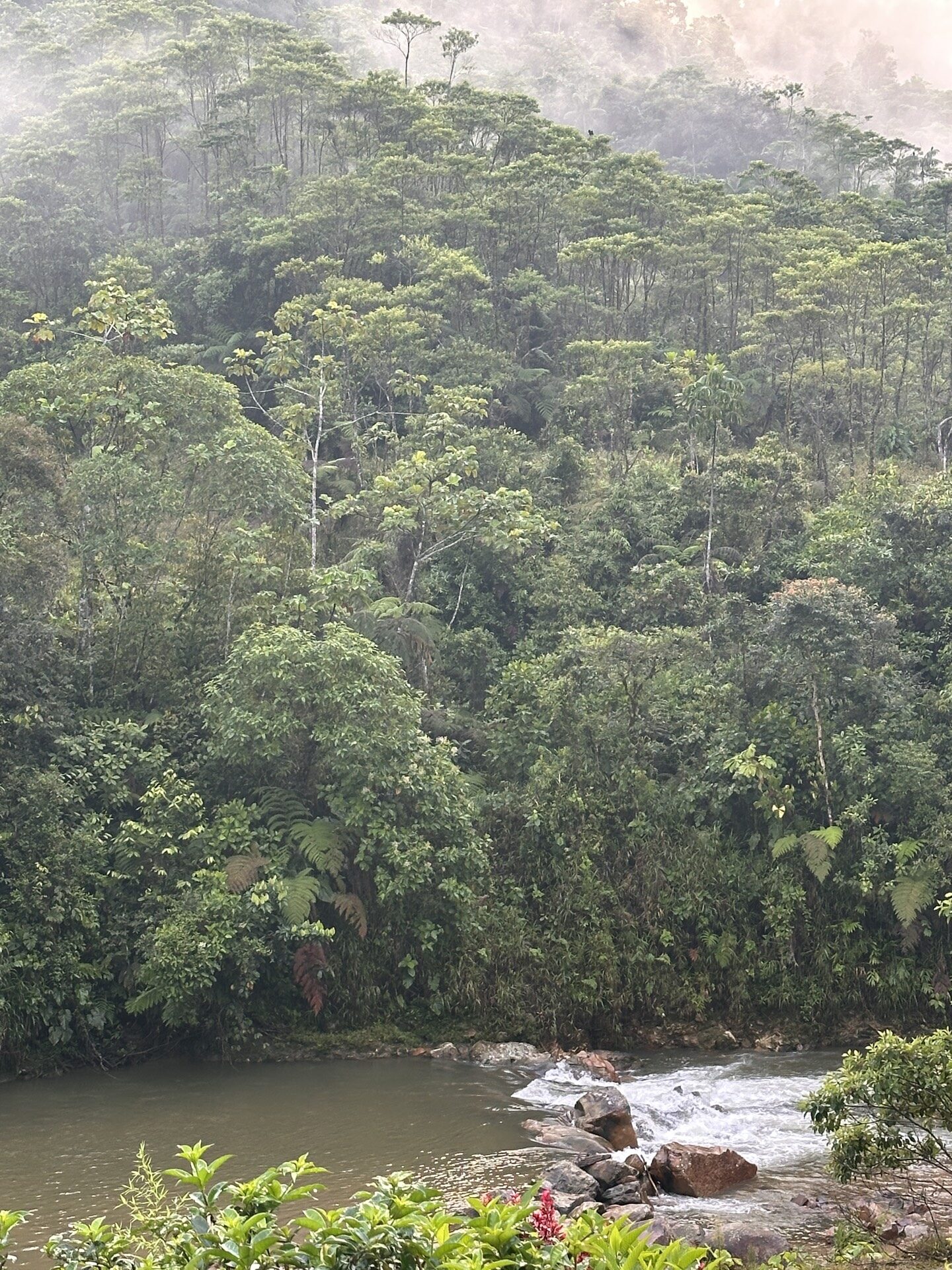
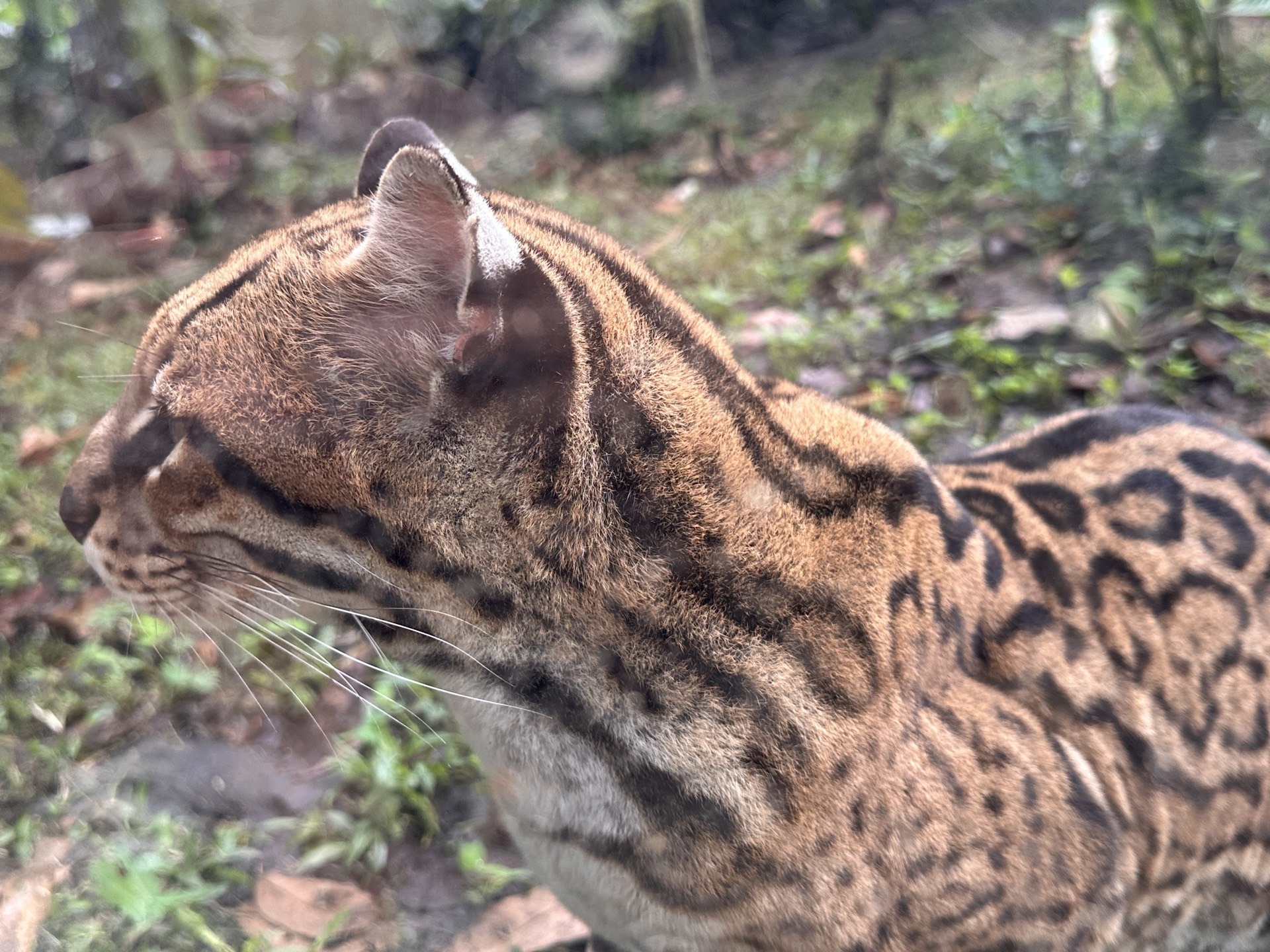
The Pastaza and Orellana regions in Ecuador, located in the upper Amazon Basin, are one of the most biodiverse and ecologically rich areas on Earth. The region around this project encompasses vast tracts of tropical rainforest, rivers, wetlands, and cloud forests that form part of the Amazon watershed. This mosaic of ecosystems supports an extraordinary variety of life—from jaguars, tapirs, and pink river dolphins to thousands of bird, amphibian, and plant species, many of which are endemic or still undiscovered. The area is also home to several Indigenous communities, whose cultures and livelihoods are deeply intertwined with the health of the forest and rivers.
Preserving this area is essential not only for its biodiversity but also for its role in regulating the global climate and hydrological cycles. The region’s forests act as major carbon sinks, capturing vast amounts of CO₂, while its wetlands and rivers maintain water quality and stabilize regional rainfall patterns. Protecting this ecosystem safeguards invaluable genetic resources, supports indigenous knowledge systems, and helps mitigate the impacts of deforestation and climate change. Conservation in this part of Ecuador is thus both a local and global priority—essential for maintaining ecological balance, cultural heritage, and the planet’s long-term resilience.
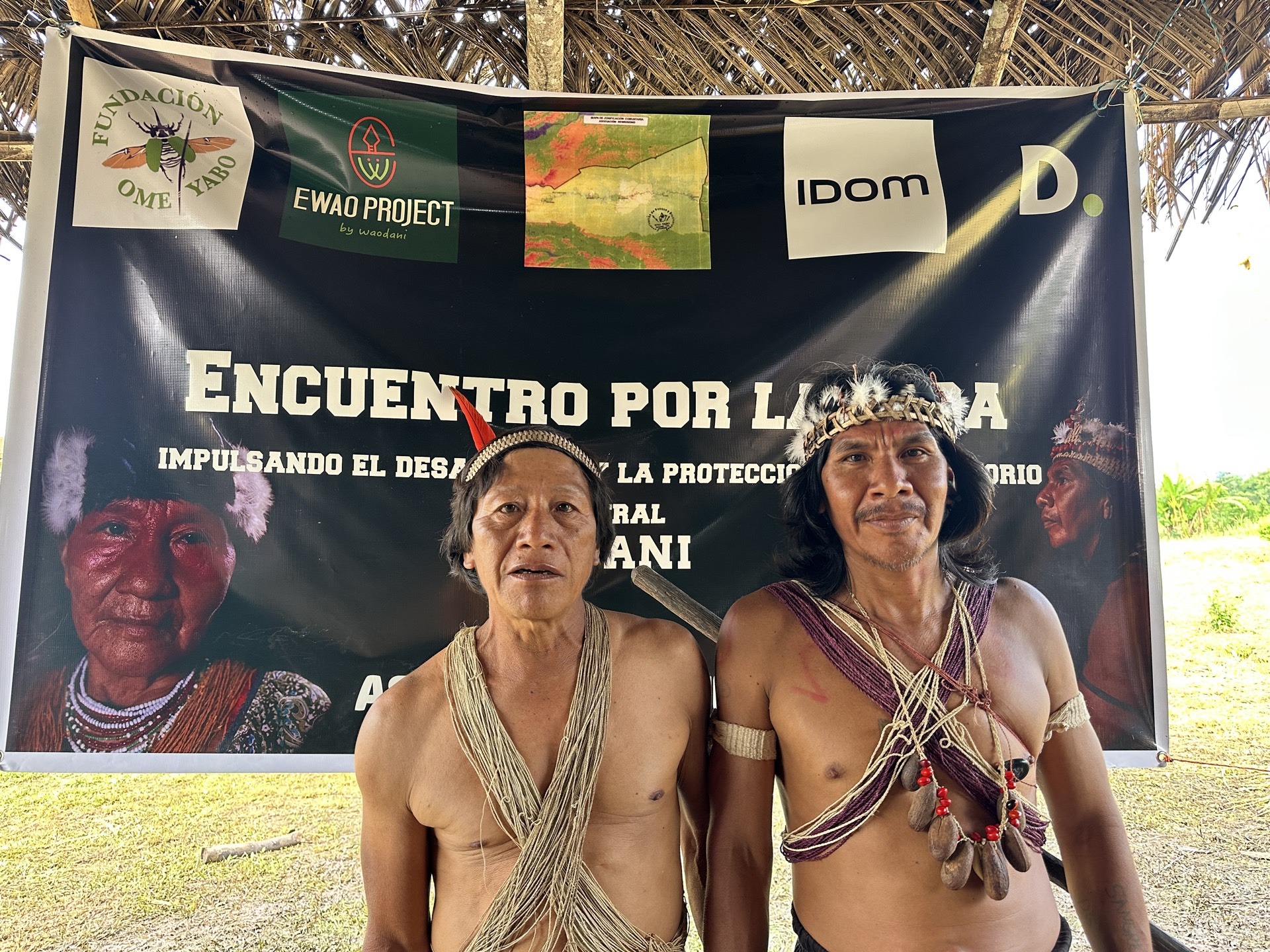
The Biocultural Approach is a fundamental pillar of this project, as mandated by the DEV Carbon Standard, and special social safeguards apply to this project since the project is built with a indigenous community. Local traditional and ancestral knowledge will be taken into account in all stages of the project, and there are mechanisms in place to enable a balanced and dynamic relation between the technical actors of the DEV carbon ecosystem and the local community throughout the project.